Huawei Unveils HarmonyOS 7: AI Agents Reshape the OS as Xiaoyi Becomes the System's Intelligent Core - Pandaily
Context mode is active. Hover over any highlighted term to see its definition. Click a nested term to go deeper.
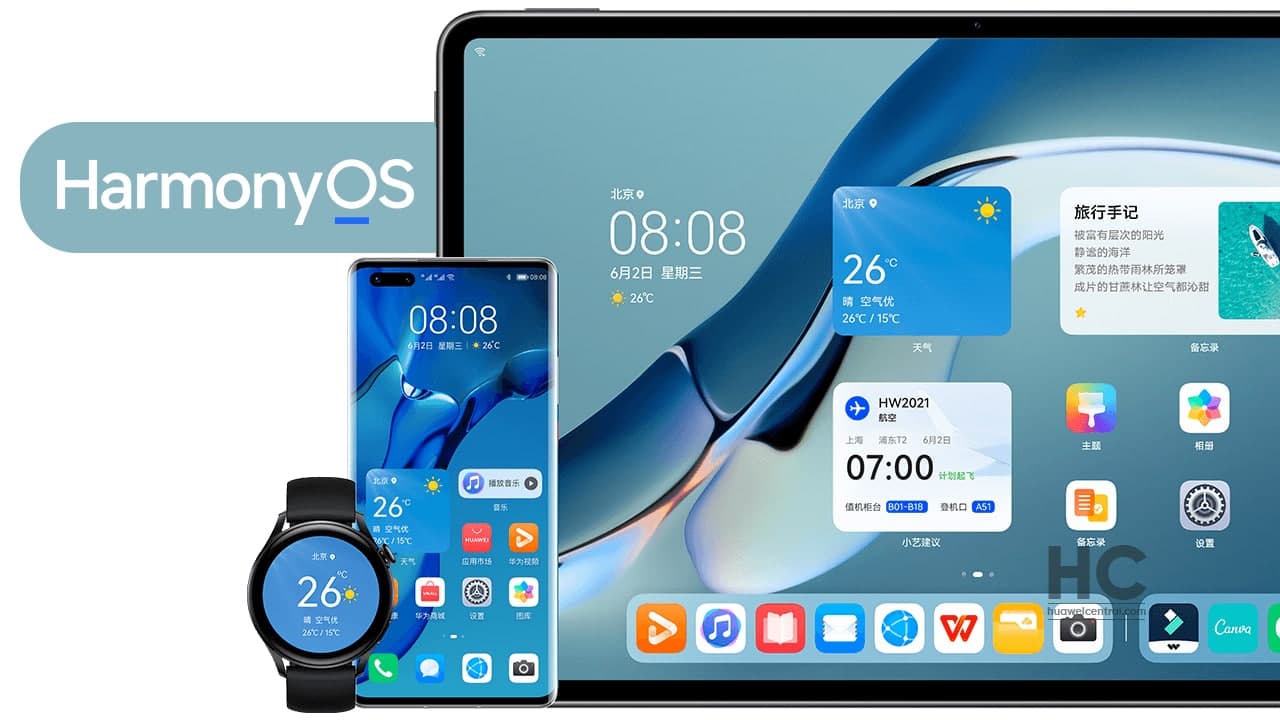
Huawei has officially unveiled HarmonyOS 7 at its annual Developer Conference, fundamentally transforming its proprietary operating system with a new 'Agent-native' architecture where its Xiaoyi assistant evolves into a formidable system-level AI agent. This pivot positions HarmonyOS 7 as an 'intent-driven' platform, boasting over 2,100 system capabilities and integrating thousands of third-party AI agents, directly challenging the established mobile OS giants like Apple and Google in the burgeoning AI era. This aggressive move comes as Huawei further solidifies its market position, having already surpassed iOS in China for the seventh consecutive quarter in Q1 2026, capturing a 19% share of the crucial domestic smartphone market. HarmonyOS 7, available in developer beta and slated for a full fall release with the Mate 90 series, also introduces a '3D spatial design language' reminiscent of Apple 'Liquid Glass' aesthetic, along with a 15% performance boost and robust anti-fraud AI. The release underscores Huawei continued resilience and strategic independence forged under persistent US sanctions, which have paradoxically fueled its self-reliance in developing a full-stack domestic technology ecosystem. With Apple advanced AI features facing regulatory hurdles in mainland China, Huawei deep integration of 'Agentic AI' through its HarmonyOS Intelligent Agent Framework 2.0 presents a significant advantage in the world's largest smartphone market. Observers will be watching closely to see if HarmonyOS 7 claimed 90% task execution success rate and the forthcoming on-device 30-billion-parameter models on Kirin chips translate into widespread developer adoption and further erode the Android-iOS duopoly. The launch of the Mate 90 series this fall will be a critical litmus test for its consumer appeal beyond China borders, where HarmonyOS currently holds a modest 5% global market share across its 1.3 billion connected devices.