Hungary's €4.2 Billion EU Lifeline: Péter Magyar's Reforms Unlock Critical Funds
Context mode is active. Hover over any highlighted term to see its definition. Click a nested term to go deeper.
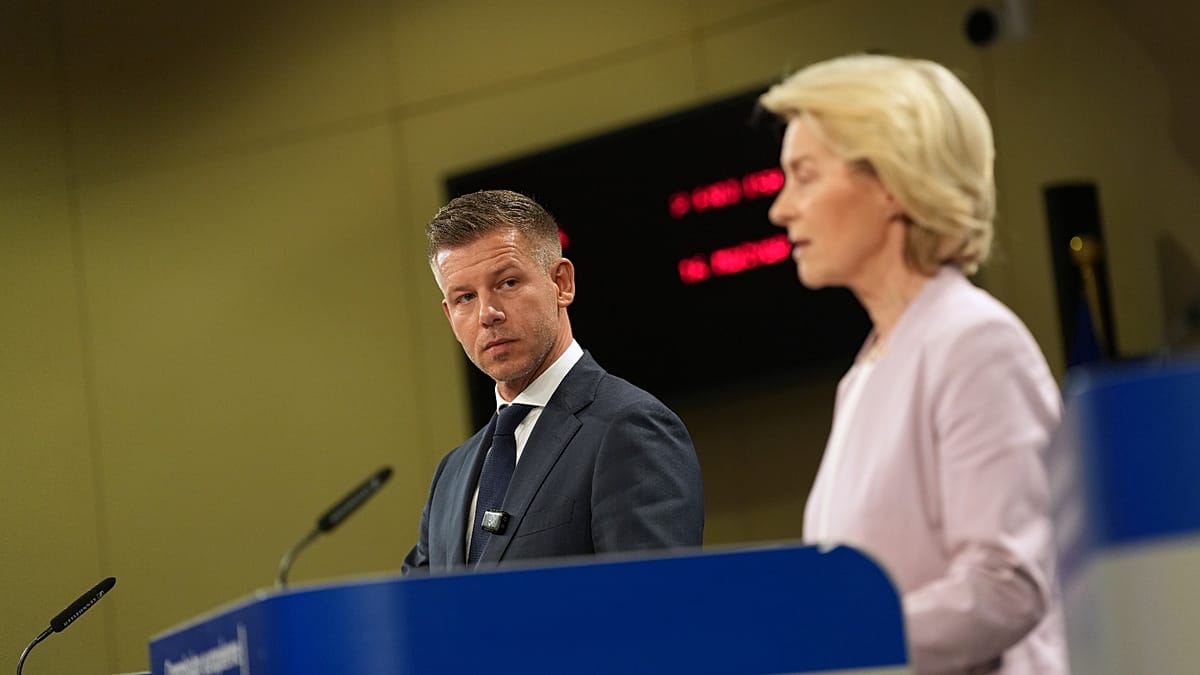
The European Commission has just proposed to release €4.2 billion in cohesion funds for Hungary, signaling a major shift after years of a contentious standoff over rule of law concerns. This breakthrough, announced on September 23, 2026, by European Commission President Ursula von der Leyen, also reopens Hungary's access to vital educational programs like Erasmus+ and Horizon Europe, which were frozen in 2022. The decision comes as Prime Minister Péter Magyar's new government is credited with taking 'important steps' to strengthen democratic principles and protect EU financial interests. This funding freeze originated in December 2022 under the previous government led by Viktor Orbán, amid widespread concerns about corruption, procurement irregularities, and a weakening anti-corruption framework. Magyar, who swept into power in April 2026 with his Tisza Party, campaigned heavily on a promise to mend fences with Brussels and unlock these crucial funds. His administration has reportedly implemented significant reforms, including bolstering the Integrity Authority, introducing a more transparent asset declaration system, and even joining the European Public Prosecutor's Office. These moves directly address the shortcomings that led to the initial suspension, particularly concerning public procurement and conflicts of interest. While €4.2 billion is a significant portion, it's part of a larger €16.4 billion package of recovery and cohesion funds previously earmarked for Hungary. The Commission is still evaluating the release of another €10 billion in recovery funds, and about €2 billion in cohesion funding remains on hold due to unresolved issues around asylum, child protection, and academic freedom. The current proposal now moves to the Council of the EU, where member states have one month to approve the lifting of these protective measures. All eyes will be on Budapest to see if Magyar's government can continue its reform trajectory and fully restore trust with the EU, paving the way for the remaining funds to flow.