Hyderabad Metro Shake-Up: Centre Signals Unified Control, Fresh Valuation for Future
Context mode is active. Hover over any highlighted term to see its definition. Click a nested term to go deeper.
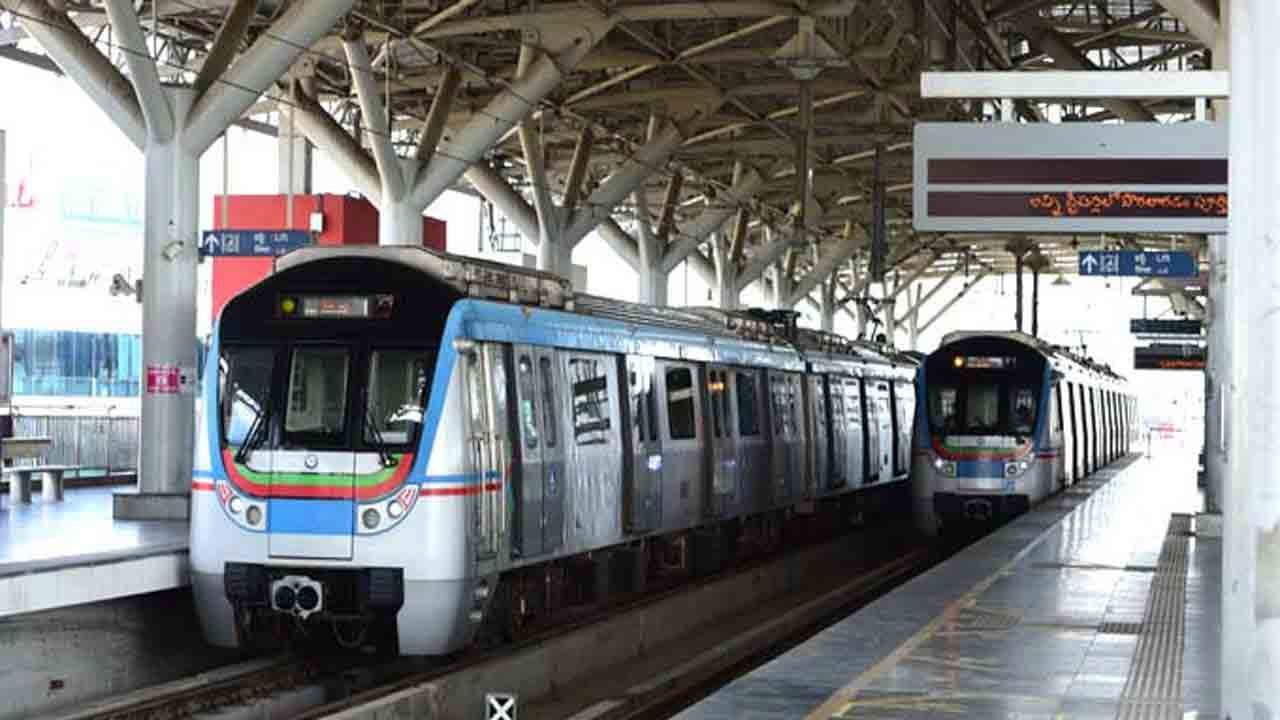
The Union Government is pushing for a 'single umbrella' management approach for the Hyderabad Metro Rail, signaling its intent for unified control over the city's critical transport network, even as the Telangana Government recently completed the acquisition of the Metro's first phase. This move comes with a fresh directive to re-evaluate the project's financial standing and future expansion, aiming to streamline operations and funding for upcoming developments. The Centre stance emphasizes that managing such a complex system under fragmented ownership is proving difficult, urging a cohesive strategy for Hyderabad's urban mobility. Just weeks ago, on April 30, 2026, the Telangana Government formally took full ownership of Phase-I of the Hyderabad Metro from L&T Metro Rail (Hyderabad) Limited (LTMRHL) for approximately ₹15,000 crore, converting it from a Public-Private Partnership (PPP) into a state-owned entity. Now, the focus has shifted to the Centre role in supporting this transition and integrating it with the ambitious Phase-II expansion. In recent high-level meetings between Telangana Chief Minister A Revanth Reddy and Union Ministers, a consensus was reached to appoint SBI Capital Markets Ltd (SBICAPS) to conduct a comprehensive study on Phase-I valuation, debt refinancing, and the financing roadmap for Phase-II, effectively sidelining previous valuation exercises by IDBI Capital and a proposed loan from the Indian Railway Finance Corporation (IRFC). This re-evaluation by SBICAPS is crucial, as the Chief Minister has urged the Centre to expedite its appointment, citing operational uncertainties and potential cost escalations for Phase-II if delays persist. The outcome of this study will dictate the future financial structure and operational framework for Hyderabad Metro, with Phase-II expected to be a joint venture between the Centre and the state. This signals a significant shift towards a more integrated, possibly centrally-guided, approach to urban transit development in India's major cities, aiming for efficiency and seamless expansion.