ICC judges sue Trump over sanctions, call measures unlawful
Context mode is active. Hover over any highlighted term to see its definition. Click a nested term to go deeper.
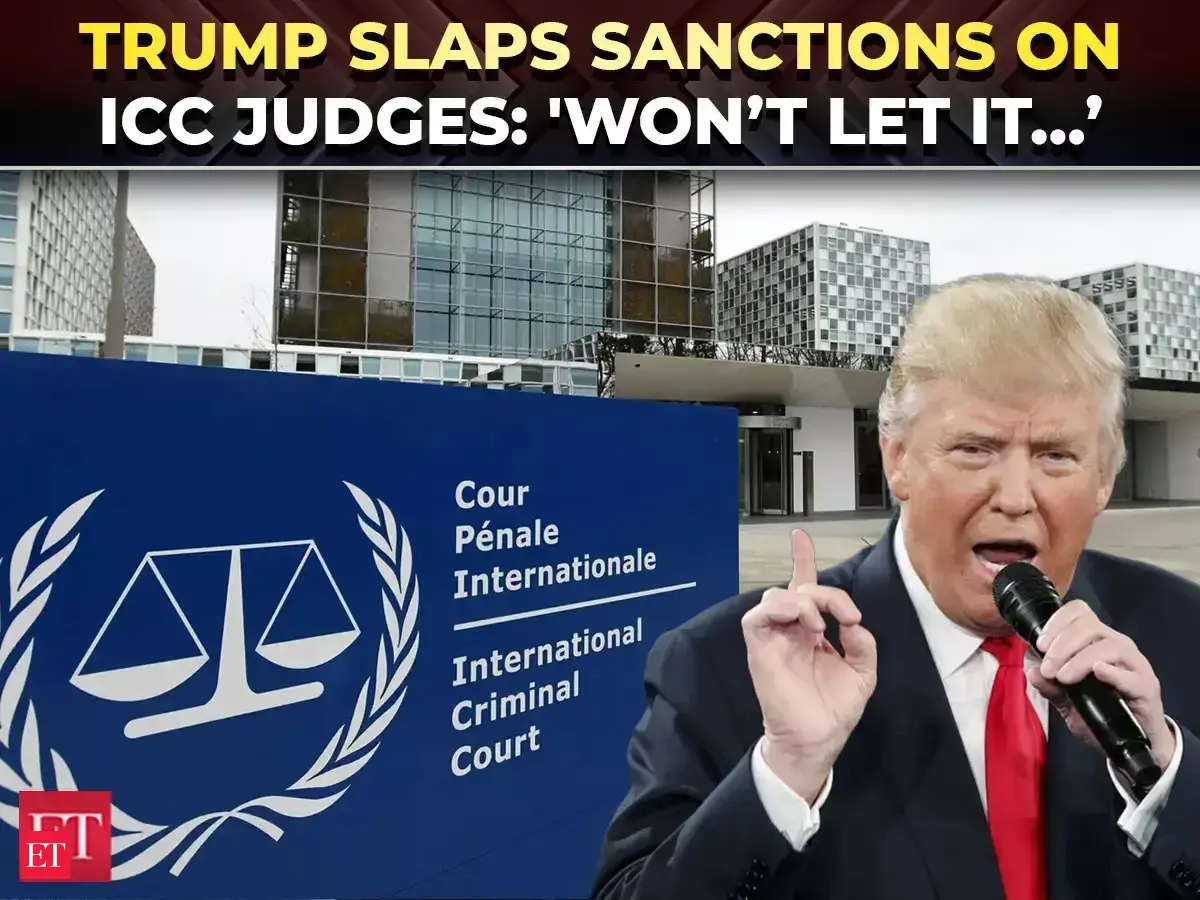
In a seismic challenge to U.S. foreign policy, three sitting judges from the International Criminal Court (ICC) have directly sued President Donald Trump and his administration in a New York federal court. They're demanding an immediate end to 'unlawful' sanctions imposed on them for their work on sensitive investigations into alleged war crimes by U.S. and Israeli personnel. These judges—Kimberly Prost of Canada, Solomy Bossa of Uganda, and Reine Alapini-Gansou of Benin—allege the sanctions have led to frozen bank accounts, canceled credit cards, and blocked travel, effectively imposing a 'financial death penalty' aimed at coercing their judicial decisions. This unprecedented lawsuit, filed on June 24, 2026, escalates the long-standing tension between Washington and The Hague, pushing the boundaries of international law and national sovereignty. The sanctions stem from President Trump's Executive Order 14203, issued in February 2025, which declared a 'national emergency' over ICC investigations into alleged international crimes in Afghanistan involving U.S. forces, and the court's recent issuance of arrest warrants for Israeli Prime Minister Benjamin Netanyahu and former Defense Minister Yoav Gallant concerning actions in Gaza. The judges argue that Trump exceeded his authority under the International Emergency Economic Powers Act (IEEPA) by designating their judicial duties as an 'unusual and extraordinary threat' to U.S. national security. The legal battle now heads to the U.S. District Court for the Southern District of New York, where judges Prost, Bossa, and Alapini-Gansou seek to not only lift the sanctions but also to establish crucial precedents on the limits of executive power and the protection of judicial independence in international tribunals. Observers will be watching closely to see if this direct confrontation forces a recalibration of the U.S. approach to the ICC, especially given the ongoing international scrutiny of alleged international crimes in various conflict zones and the broader implications for global justice. The outcome could significantly shape the future of international accountability and the relationship between sovereign powers and supranational legal bodies.