Iceland Says 'No' to EU Talks, Prioritizing Prized Fisheries and National Control
Context mode is active. Hover over any highlighted term to see its definition. Click a nested term to go deeper.
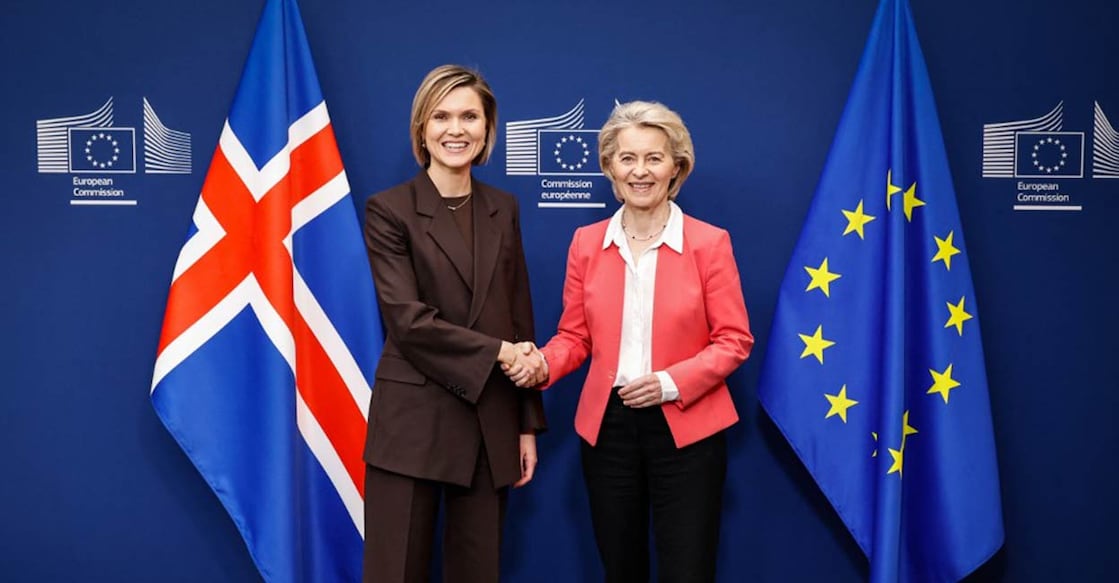
In a closely watched vote, Icelandic citizens have firmly rejected restarting talks to join the European Union, prioritizing national control over their vital fisheries and sovereignty over closer ties with Brussels. The referendum, held on August 29, saw 52.8% of voters say 'No' to reopening accession negotiations, delivering a clear message that economic and security incentives were not enough to sway them from their long-held stance. This decision is a significant setback for the EU's ambitions to expand its influence, especially in the strategically important Arctic region. The 'No' campaign successfully tapped into deep-seated fears that EU membership would erode Iceland's control over its lucrative fishing grounds, which account for nearly 40% of the island nation's exports, under the bloc's Common Fisheries Policy. Supporters of joining the EU, including Prime Minister Kristrún Frostadóttir's government, had argued that membership would offer greater economic stability through potentially adopting the Euro and enhanced geopolitical security amidst global turbulence, even referencing past rhetoric from former US President Donald Trump regarding Greenland. However, these arguments were ultimately overshadowed by concerns for national identity and the belief that Iceland's existing relationship via the European Economic Area provides sufficient benefits. With the referendum results now definitive, Prime Minister Frostadóttir has stated that her government will respect the outcome, signaling an end to any renewed EU negotiations for the foreseeable future. For Brussels, this rejection adds another layer of complexity to its ongoing enlargement discussions, which are actively progressing with other candidate countries. The vote underscores the enduring power of national interests, particularly resource control, even when weighed against broader economic and security alliances, leaving Iceland charting its independent course in the volatile North Atlantic.