IMF Chief Warns Global Resilience Fading, Calls for Urgent Fiscal Fixes Amid Inflation Storm
Context mode is active. Hover over any highlighted term to see its definition. Click a nested term to go deeper.
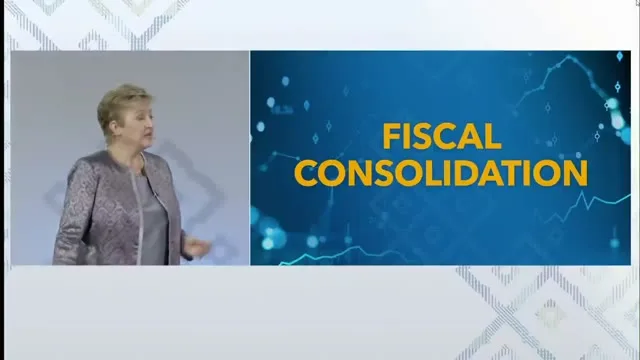
The global economy's surprising resilience is now 'reaching its limits' as inflation persists and vital financial buffers shrink, warned International Monetary Fund (IMF) chief Kristalina Georgieva during the recent IMF-World Bank Annual Meetings in Bangkok. She issued a powerful call for high-debt countries to urgently fix their national budgets through what she termed 'fiscal consolidation,' stressing the need to boost government income and cut down on wasteful spending. This urgent appeal comes as central banks worldwide remain laser-focused on keeping prices stable, grappling with sticky inflation that refuses to back down. This isn't just a quiet warning; it's a critical moment for policymakers caught between tough choices. The latest World Economic Outlook (WEO) from October 2026 projects global growth slowing to 3.1% this year, while headline inflation is set to jump significantly to 4.7%, mainly due to rising energy and food prices. Georgieva highlighted a global economy being pulled in two directions: a negative 'energy supply shock' from conflicts in the Middle East and a positive 'AI demand shock' boosting technology-driven economies. However, surging sovereign debt, especially in low-income nations, coupled with multi-decade high interest rates, is piling on 'debt servicing costs' that squeeze national budgets and limit money for growth. Looking ahead, the pressure is squarely on governments to act decisively. The IMF 2026 Global Policy Agenda will soon detail specific recommendations for countries to rebuild their financial strength. Expect increased scrutiny on national budgets, with calls for more efficient public financial management and targeted support for vulnerable citizens, not broad subsidies. Central banks, meanwhile, are expected to maintain their hawkish stance on monetary policy, prioritizing price stability even if it means higher borrowing costs. The critical question remains whether countries can make these difficult 'fiscal consolidation' moves before economic cracks widen further.