In a first in 40 years, Canada accepts Khalistani terrorists were behind Air India Kanishka bombing
Context mode is active. Hover over any highlighted term to see its definition. Click a nested term to go deeper.
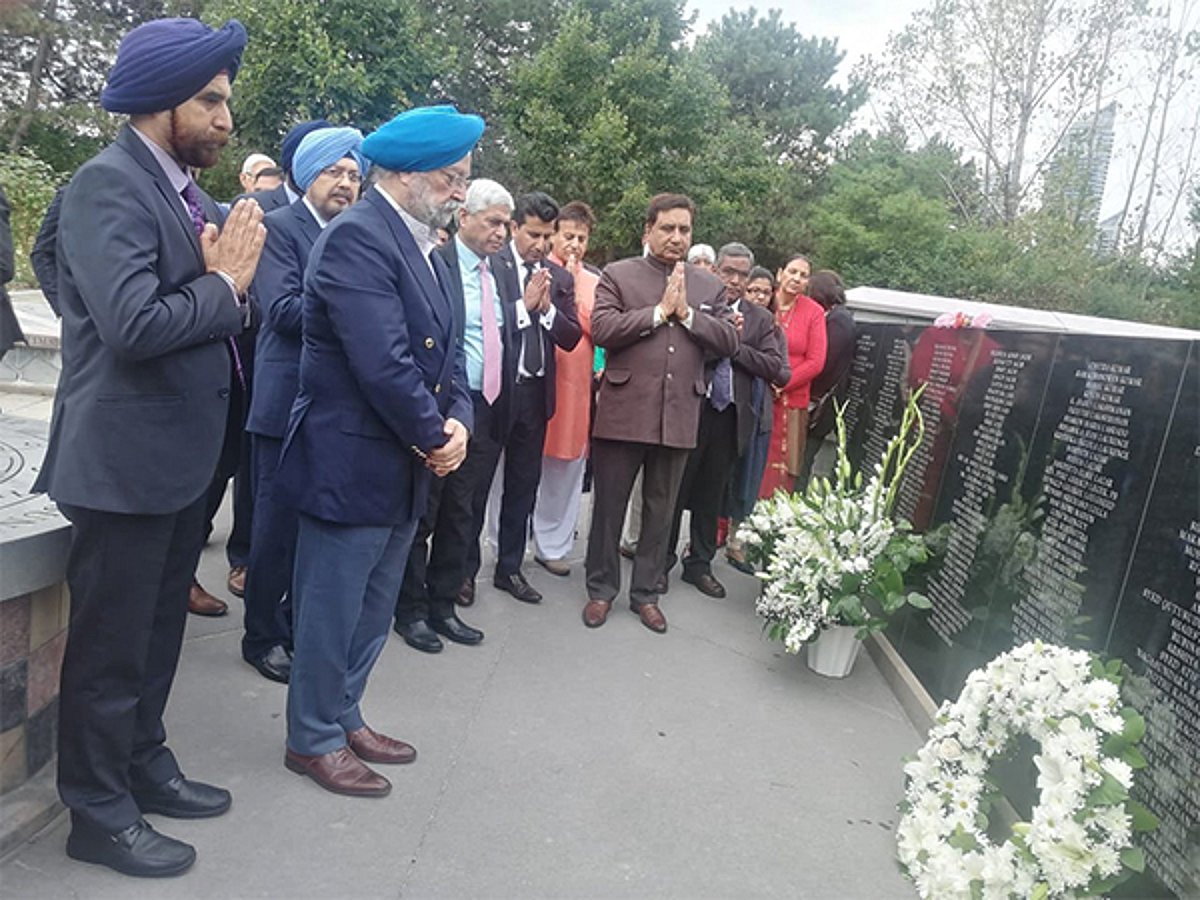
Canada's top spy agency, the Canadian Security Intelligence Service (CSIS), has for the first time in 41 years explicitly declared that Canada-based Khalistani extremists were behind the 1985 bombing of Air India Flight 182, known as the Kanishka tragedy. This unprecedented acknowledgment, made on June 23rd, Canada's National Day of Remembrance for Victims of Terrorism, marks a profound shift in Ottawa's official stance on the deadliest terrorist attack in Canadian history and validates India's decades-long assertions. The Kanishka bombing, which claimed the lives of all 329 people on board – mostly Canadian citizens of Indian origin – has been a persistent diplomatic wound between India and Canada, with New Delhi consistently accusing Ottawa of not adequately addressing extremist elements operating from its soil. This historic admission follows years of strained Indo-Canadian relations, particularly after former Prime Minister Justin Trudeau unproven allegations in 2023 regarding Indian government involvement in the killing of Khalistani separatist Hardeep Singh Nijjar. The recent acknowledgement by CSIS, which in March 2025/May 2026 also flagged Khalistani extremist groups as a national security threat to both Canada and Canadian interests, signals a potential thaw, spearheaded by current Prime Minister Mark Carney efforts to mend ties. This direct attribution by CSIS is expected to significantly impact future Indo-Canadian relations, potentially paving the way for enhanced cooperation on counter-terrorism and intelligence sharing. With Canada recently passing a new anti-hate bill (Combating Hate Act, Bill C-9) aimed at curbing extremist activities, India will be watching closely for concrete actions against Canada-based Khalistani extremist networks. The move could also redefine how Canada balances free speech with the prevention of violent extremism, carrying long-term implications for the Khalistan movement operations within Canadian borders and further strengthening the bilateral diplomatic reset.