India Boosts Manufacturing with Rs 10,000 Crore Container and Sports Goods Schemes
Context mode is active. Hover over any highlighted term to see its definition. Click a nested term to go deeper.
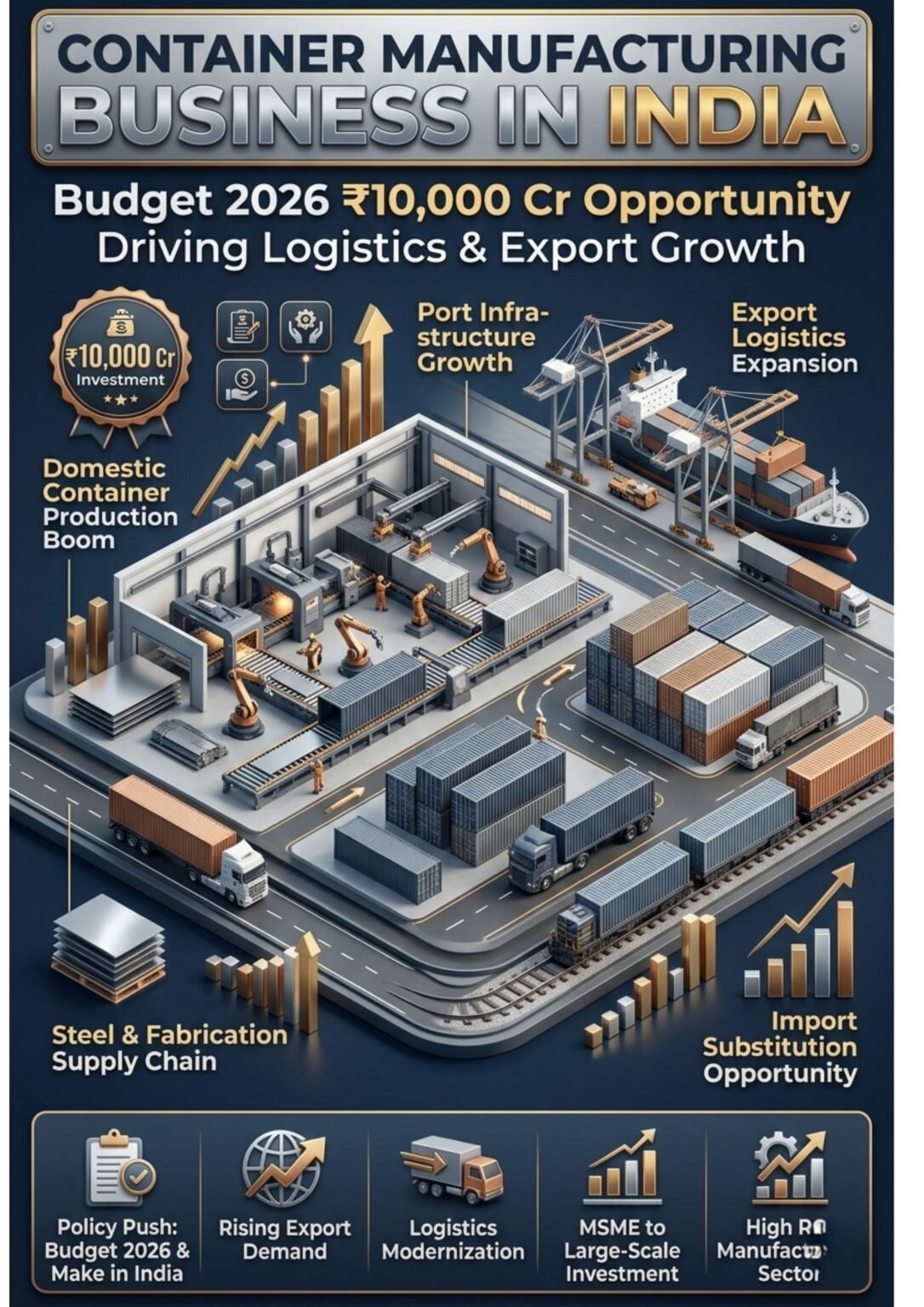
In a decisive move to bolster domestic industry and cut reliance on imports, India's Union Cabinet has approved two major manufacturing schemes totaling nearly Rs 11,857 crore. The flagship Container Manufacturing Promotion Scheme (CMPS) gets a massive Rs 10,000 crore until FY 2039-40, aiming to transform India into a global hub for shipping containers, while the Khelo India Sports Goods Manufacturing Scheme receives Rs 1,856.67 crore to boost local sports equipment production. These initiatives, announced by Union Minister Ashwini Vaishnaw, are set to create thousands of jobs and significantly strengthen India's industrial backbone. The container scheme is a direct response to India's heavy reliance on foreign-made shipping containers, with over 95 percent of global production currently concentrated in one country. By increasing annual domestic capacity ten-fold to 7.5 lakh Twenty-foot Equivalent Unit (TEU), India aims to secure its maritime logistics and reduce vulnerabilities in its supply chains. The support package for container manufacturing includes financial assistance like Interest Subvention and Operational Expenditure Assistance, designed to make Indian-made containers competitive internationally. Simultaneously, the sports goods scheme championed by Sports Minister Mansukh Mandaviya, aligns with the 'Make in India' vision, focusing on dedicated Sports Goods Manufacturing Zones to foster innovation and reduce import dependence in a growing sector. These approvals, following their announcement in the Union Budget 2026-27, mark a significant step in the government's 'Atmanirbhar Bharat' (Self-Reliant India) mission. The success of these programs will hinge on effective implementation, attracting the planned investments, and integrating domestic manufacturers into global value chains. Industry players will now be watching closely for the rollout of detailed guidelines and the establishment of manufacturing facilities, which are expected to generate substantial direct and indirect employment opportunities across the country.