India Breathes Easy as Oil Dips, But Hormuz Tensions Cloud Consumer Fuel Relief
Context mode is active. Hover over any highlighted term to see its definition. Click a nested term to go deeper.
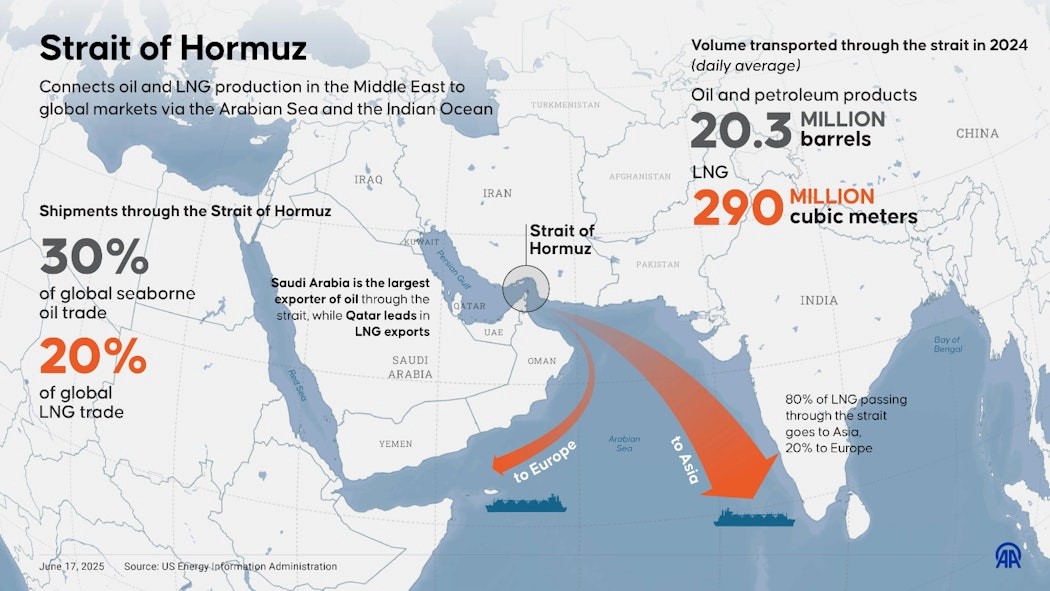
Global crude oil prices have taken a significant dip over the past month, offering a much-needed breath of fresh air to India's economy, but a recent uptick today due to renewed tensions in the Strait of Hormuz reminds us that volatility is never far. While Brent crude briefly touched $74 per barrel today, the broader trend from a peak of $114 per barrel earlier this year to around $70-$74 per barrel now has drastically reshaped India's economic outlook. This decline is a major win for India, a country that imports over 85% of its crude oil needs, significantly easing pressure on its trade balance and government finances. The sharp fall in oil prices has already prompted India to lift temporary restrictions on bulk fuel purchases, effective July 1, 226, which were imposed during the West Asia crisis to prevent hoarding. It has also spurred private players like Nayara Energy to cut retail petrol and diesel prices by ₹5 and ₹3 per litre respectively, the first such reduction in over two years. However, immediate relief for everyday consumers at the pump from state-run Oil Marketing Companies (OMCs) remains uncertain, as the government continues to weigh its options on excise duties and state-level Value-Added Tax (VAT) still impacts final prices. Meanwhile, the U.S. Energy Information Administration (EIA) forecasts Brent crude to average $74 per barrel in Q3 2026, dropping to $65 per barrel in 2027, signalling sustained downward pressure on prices due to increased global supply from OPEC+ and easing Middle East tensions. Looking ahead, while lower crude prices significantly reduce India's imported inflation, a new economic villain is emerging: a potentially weak monsoon. Forecasts of a 10% rainfall deficiency due to El Niño could trigger food inflation, potentially negating the benefits from cheaper oil and posing fresh challenges for the Reserve Bank of India's (RBI) monetary policy. The coming months will test how effectively India navigates this dual challenge, balancing external relief with internal agricultural vulnerabilities.