India, Canada push trade pact amid parallel law enforcement focus
Context mode is active. Hover over any highlighted term to see its definition. Click a nested term to go deeper.
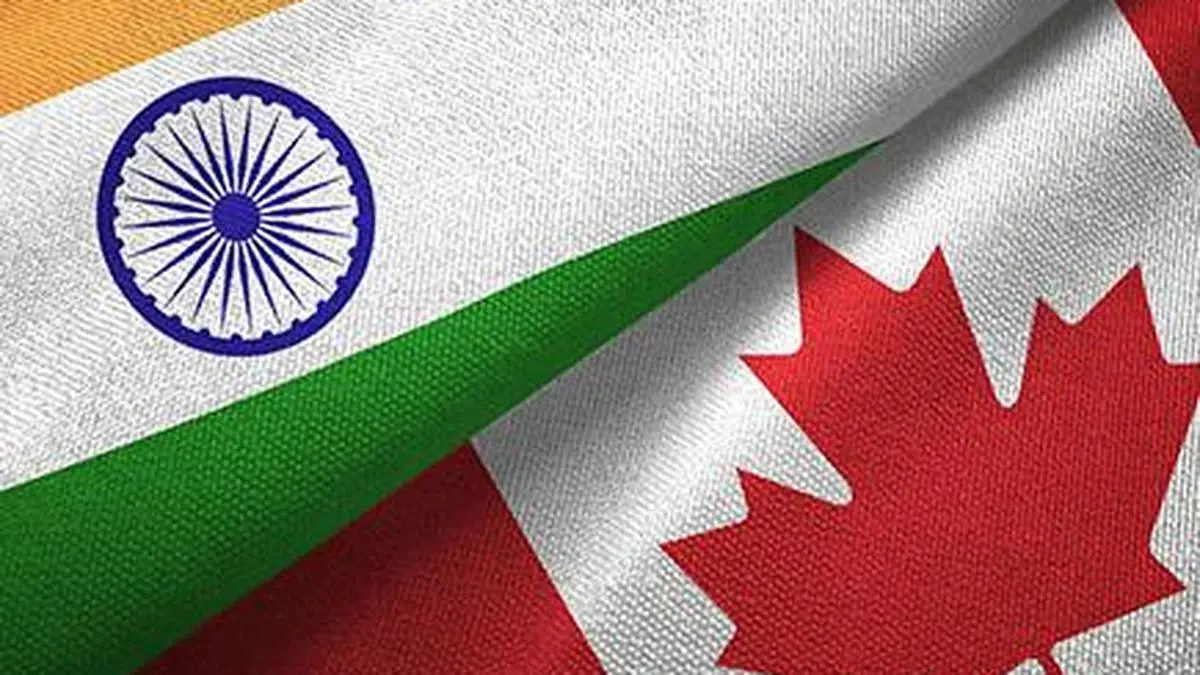
India and Canada are cautiously rekindling their trade relationship, with India's Commerce Minister Piyush Goyal and Canadian Minister Sidhu launching a new trade and investment forum. This pivot toward economic re-engagement comes even as both nations continue to navigate deep-seated diplomatic and law enforcement disagreements, a complex "compartmentalization" strategy aimed at unlocking significant bilateral trade potential despite lingering distrust. The re-engagement, signaled by a planned Canadian trade mission to India later this year, marks a pragmatic shift after months of near-frozen high-level contact following the 2023 allegations surrounding Hardeep Singh Nijjar's killing. Both Ottawa and New Delhi face pressure to diversify supply chains and seek new growth avenues, making an Early Progress Trade Agreement (EPTA) a compelling, if politically delicate, objective. The parallel "law enforcement focus" underscores that while economic ties are being rebuilt, sensitive investigations and extradition requests, particularly concerning alleged Khalistani extremism, continue to exert a powerful undercurrent, preventing a full diplomatic thaw. The immediate challenge lies in sustaining momentum for the forthcoming trade mission while preventing existing security grievances from derailing progress. Watch for specific sector commitments and a clearer timeline for an EPTA, or even the broader Comprehensive Economic Partnership Agreement (CEPA). The success of this dual-track approach—trade by day, security concerns by night—will be a crucial test of whether economic pragmatism can truly override geopolitical friction in the Indo-Pacific's evolving strategic landscape.