India-CELAC Trade Crosses $50 Billion Mark; Jaishankar Urges Deeper Global South Ties
Context mode is active. Hover over any highlighted term to see its definition. Click a nested term to go deeper.
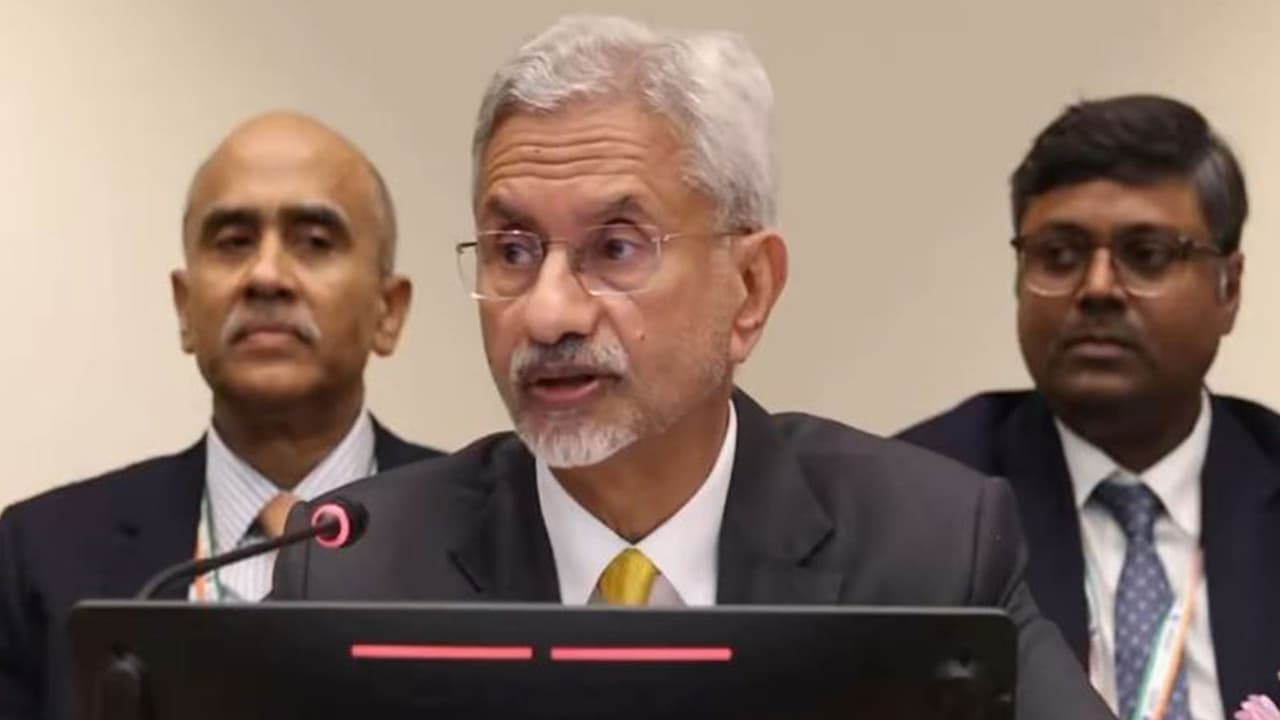
India and the CELAC bloc have just hit a major milestone, with their annual trade surging past the $50 billion mark in 2025-26. This significant jump was announced by External Affairs Minister S Jaishankar at the India-CELAC Foreign Ministers' Meeting held on the sidelines of the 81st United Nations General Assembly in New York, where he pressed for even stronger economic ties and a bigger voice for the Global South on the world stage. The meeting, which saw robust participation from 30 out of 33 CELAC member countries, underlines India's growing strategic interest in Latin America and the Caribbean. Jaishankar emphasized the highly complementary economic strengths between India and CELAC nations, pointing out that India brings advanced technology, pharmaceuticals, skilled human resources, and robust digital capabilities, while CELAC offers a wealth of critical minerals, sustainable energy sources, and agricultural products. This push for deeper engagement comes as India actively works to diversify its trade partnerships, moving beyond traditional markets, and has seen ongoing negotiations for a Comprehensive Economic Partnership Agreement with Chile, a Free Trade Agreement with Peru, and an expansion of the Preferential Trade Agreement with MERCOSUR. This economic diplomacy is also backed by India's recent humanitarian aid efforts in the region, including responses to earthquakes in Jamaica, Venezuela, and Colombia. Looking ahead, India aims to double its trade with Latin America to $100 billion by 2030, a goal supported by plans to establish new institutional mechanisms for regular review of engagements and an upgrade to the Annual Business Summit. India's commitment extends to opening a new Embassy in Uruguay, signaling a long-term vision for this partnership. Jaishankar's broader message about the Global South being 'in the front row of global crises but in the back row of decision-making' highlights India's ambition to foster a more balanced and inclusive global order, with CELAC playing a crucial role in this evolving geopolitical landscape.