India Charts 25-Year Course to Global Tech Resilience, Shedding Dependencies
Context mode is active. Hover over any highlighted term to see its definition. Click a nested term to go deeper.
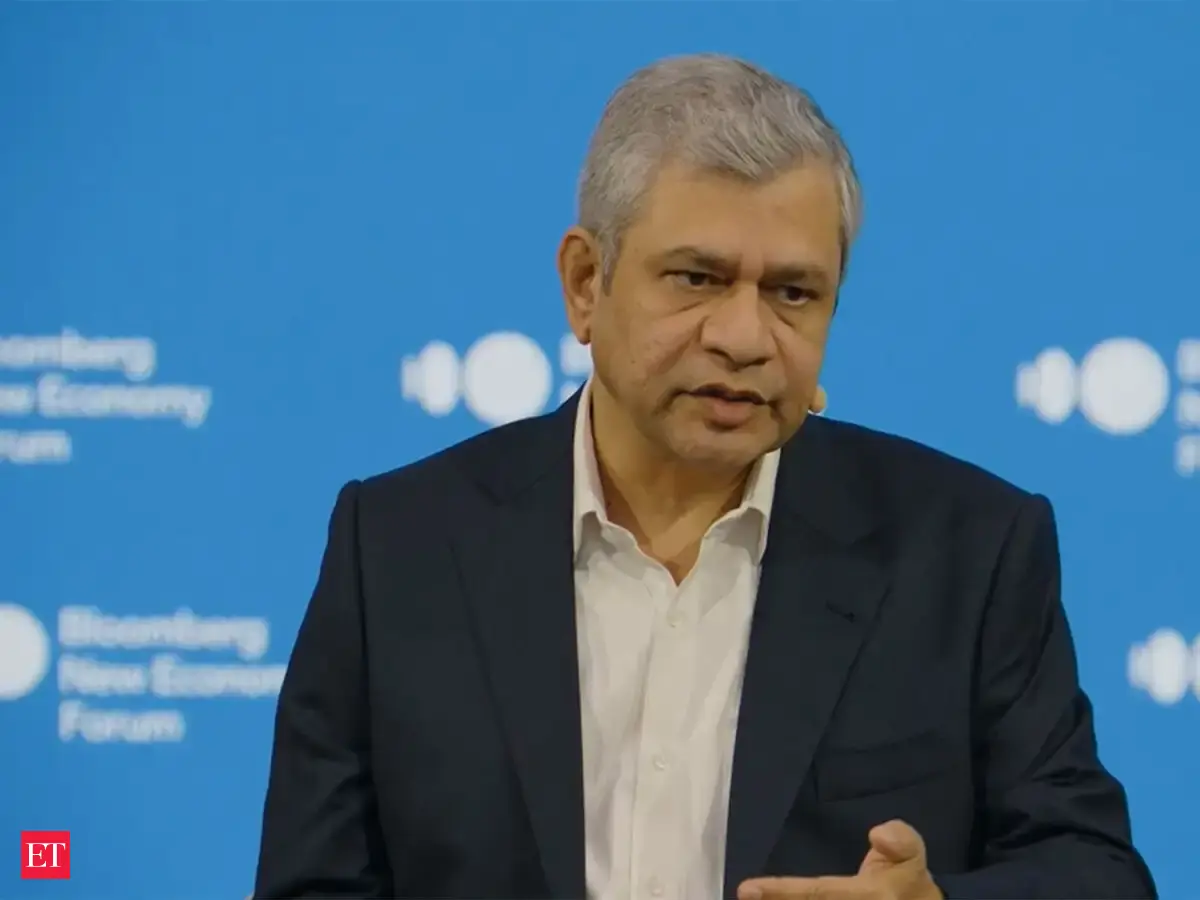
India is setting an ambitious 20-25 year plan to slash its reliance on crucial foreign technologies, Union Minister Ashwini Vaishnaw announced today at the Bloomberg New Economy Forum in New Delhi. The nation isn't aiming for complete isolation, but instead wants to become a rock-solid, trusted partner within the worldwide technology supply chains. This long-term vision comes as global events push countries to re-think where their vital tech comes from, especially in key areas like semiconductors. This strategic shift is deeply connected to ongoing global uncertainties and a push for stronger domestic capabilities. India is already making big strides, with 13 semiconductor projects now running or being set up, including major investments from Tata Electronics in Gujarat and Assam, and partnerships with global giants like ASML and Sumitomo Chemical to build a full semiconductor ecosystem from scratch. The government is looking at this in three stages: short-term goals for the next 3-5 years, medium-term for 5-15 years, and the big picture over 20-25 years, focusing on everything from chip manufacturing to the special materials and chemicals needed. Going forward, watch for India to ramp up spending on research and development, particularly in practical, applied research. The success of its own 4G telecom technology stack, developed with both government and private help, shows what's possible. As the country navigates potential disruptions from AI impacting jobs and rising global debt, this long-term strategy aims to make India a resilient and indispensable player in the future of technology, not just a consumer.