India-China Dialogue: Experts Urge Clear LAC Delineation Amid Recent High-Stakes Talks
Context mode is active. Hover over any highlighted term to see its definition. Click a nested term to go deeper.
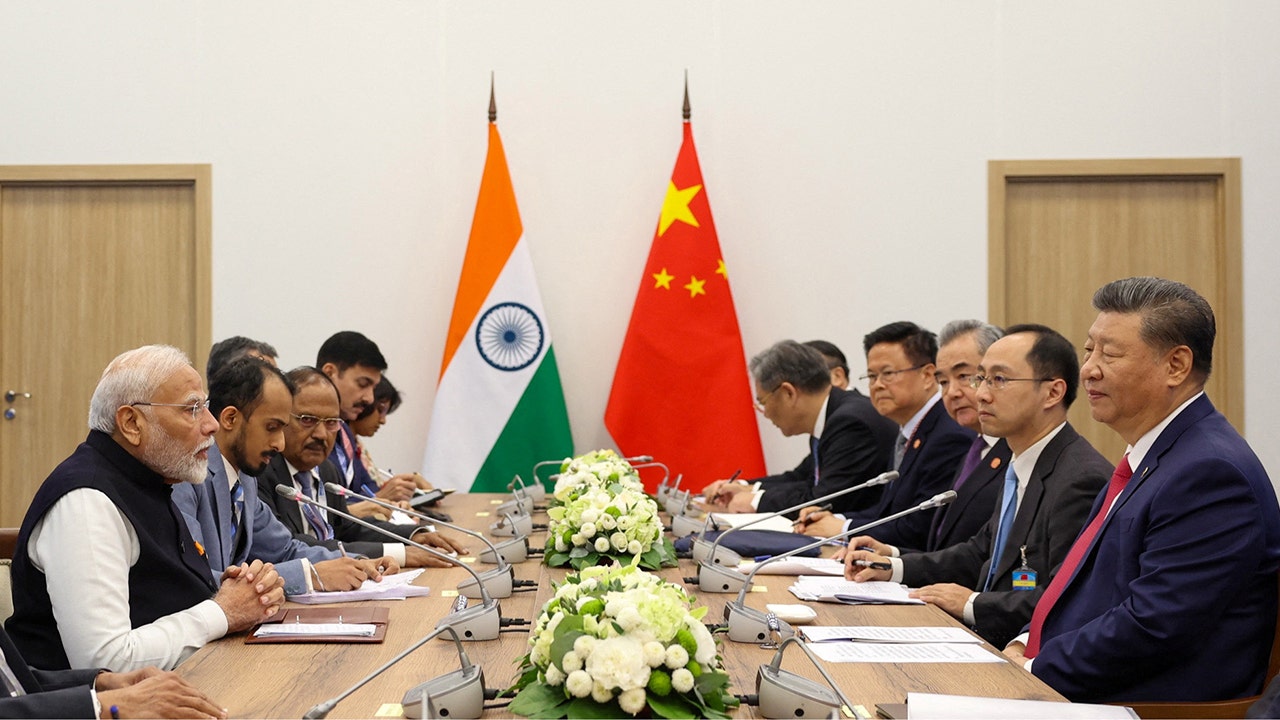
In a critical move for Asia's future, India and China must move beyond general diplomatic talks to clearly define the Line of Actual Control (LAC), experts Alok Bansal and Prof Swaran Singh stressed, even as Prime Minister Narendra Modi and President Xi Jinping recently concluded high-level engagements. Just days ago, on September 12, 2026, the two leaders met during the BRICS Summit in New Delhi, pledging to address the long-standing border dispute and ensure that 'differences should not become disputes'. This call for explicit demarcation comes on the heels of intensified diplomatic and military dialogues. India's National Security Advisor Ajit Doval and Chinese Foreign Minister Wang Yi held the 25th round of Special Representatives (SR) talks on August 25, which led to an 'eight-point consensus' for better border management, including new hotlines and military meeting points. Additionally, Corps Commander-level talks recently took place in Arunachal Pradesh on September 6-7, focusing on maintaining peace in the eastern sector. These efforts aim to stabilize a relationship severely strained by the deadly 2020 border clash in Ladakh. While these discussions signal a cautious thaw, the real test lies in translating agreements into concrete steps on the ground. Experts caution that China has historically been hesitant to fully delineate the LAC, preferring ambiguity. India, meanwhile, has taken steps like formally mapping 27 locations in Arunachal Pradesh to reinforce its territorial claims. The path to a 'fair, reasonable, and mutually acceptable resolution' will require both nations to overcome deep-seated mistrust and move towards transparent boundary delimitation, setting a crucial precedent for regional stability.