India Cracks Down: New Anti-Paper Leak Law Passed Amidst Student Outcry
Context mode is active. Hover over any highlighted term to see its definition. Click a nested term to go deeper.
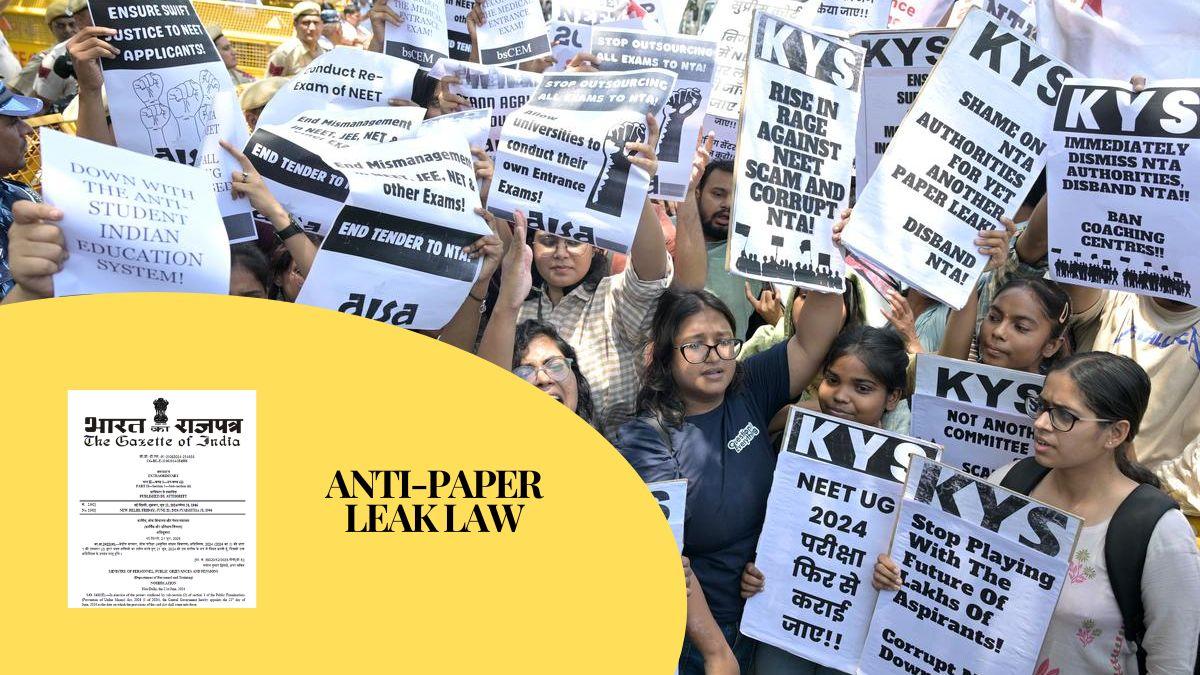
In a significant move to combat widespread examination irregularities, India Lok Sabha has passed the Public Examinations (Prevention of Unfair Means) Amendment Bill, 2026, just days after its introduction. The new legislation, championed by leaders like MP Anurag Thakur, aims to deliver on Prime Minister Narendra Modi promise to eradicate paper leaks 'once and for all,' equating the menace to threats like terrorism. This swift action follows intense nationwide protests by students demanding justice after the recent National Eligibility cum Entrance Test (NEET-UG) 2026 paper leak, which highlighted the urgent need for robust reforms. The amended Bill significantly strengthens the existing 2024 anti-cheating law, introducing harsher punishments including imprisonment up to ten years and hefty fines reaching ten crore rupees for organized examination fraud, along with mandating fast-track courts for speedy justice. The legislative push arrives amidst a volatile political climate, with the Opposition, particularly the Congress, criticizing the government's handling of student protests and the prior resignation of former Union Education Minister Dharmendra Pradhan over the NEET scandal. While the government asserts its commitment to student welfare, the Opposition has termed the Bill an 'eyewash,' demanding more accountability and raising concerns about implementation hurdles, given the previous law's zero conviction rate. With the Lok Sabha passage, the Bill now moves closer to becoming law, promising a stricter framework against those who compromise public examinations. However, its true impact will depend on effective enforcement and the establishment of dedicated fast-track courts to clear mounting backlogs, a challenge acknowledged even by proponents. Students and political observers will be keenly watching whether these amplified penalties and expedited trials can finally restore integrity and trust in India critical examination system, or if more fundamental reforms are still needed within bodies like the National Testing Agency, which recently terminated 47 officials over controversies.