India Debunks Bhutan's E20 Petrol 'Rejection' Reports Amid Domestic Blending Debate
Context mode is active. Hover over any highlighted term to see its definition. Click a nested term to go deeper.
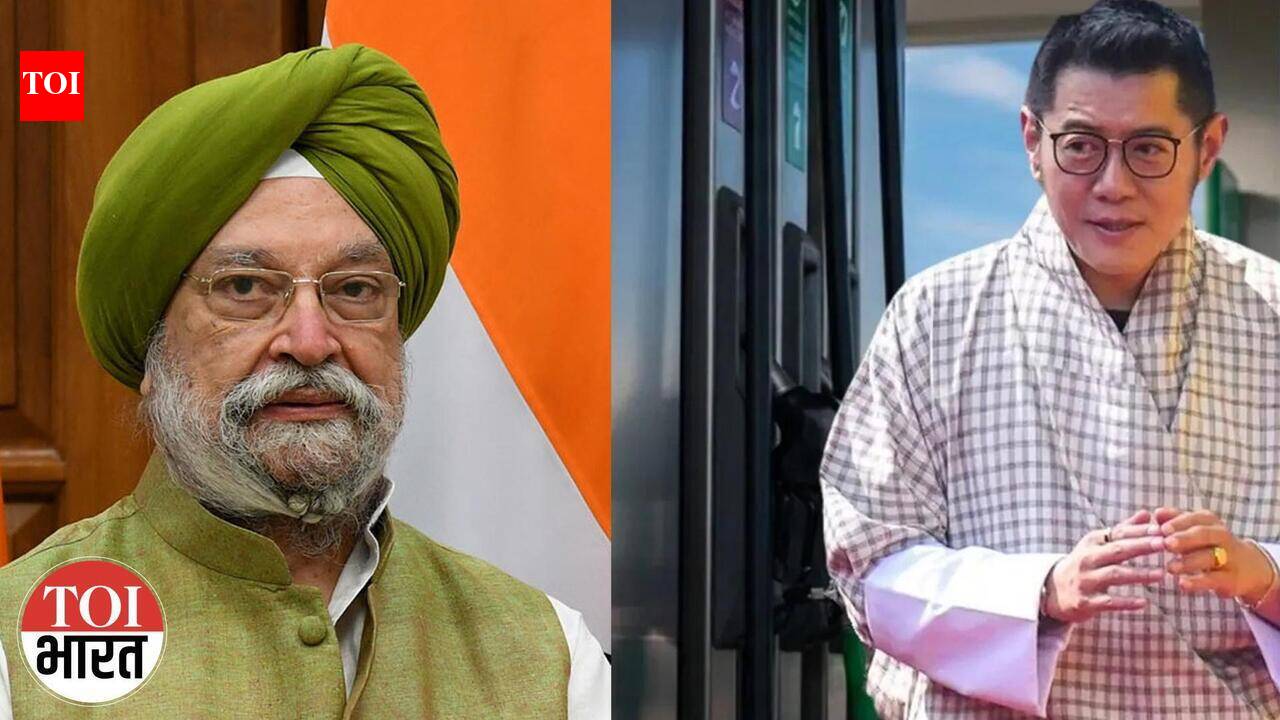
India's Ministry of Petroleum and Natural Gas (MoPNG) has sharply denied recent media reports claiming that Bhutan rejected a proposal to import E20 petrol from India, calling them 'incorrect.' The ministry clarified on Sunday, July 5, that Indian Oil Marketing Companies (OMCs) have not made any formal offer to export the 20% ethanol-blended fuel to the Himalayan nation, and no such proposal is currently on the table. This official rebuttal comes after multiple reports, notably from Bhutanese media, suggested that Bhutan had asked India to continue supplying traditional, non-blended petrol due to infrastructure concerns. These earlier reports from Bhutan cited critical issues like ageing underground fuel storage infrastructure, the hygroscopic nature of ethanol that increases water seepage risks in mountainous terrains, and the need for consistent engine performance on steep roads as reasons for their reluctance. Meanwhile, India's own nationwide E20 rollout, which became standard in April 2025, continues to face significant domestic pushback. A July 2026 LocalCircles survey found that a striking 66% of vehicle owners with cars made before 2023 reported a more than 10% drop in fuel efficiency, with 53% rating the rollout as 'disastrous' or 'ineffective.' Despite government assurances of extensive testing and overall benefits, the debate over E20's impact on vehicle performance and maintenance costs remains heated, with the Centre even telling the Supreme Court in June that E20 is an 'ongoing experiment' whose full results will be clear by next year. While the MoPNG has urged reliance on official information regarding E20 exports, the controversy underscores the complexities of shifting to greener fuels, both domestically and in bilateral energy relationships. As India presses ahead with its Ethanol Blended Petrol (EBP) Programme, eyeing even higher blends like E30 by 2030, how it addresses these infrastructural and consumer concerns – both at home and with key partners like Bhutan, who rely solely on Indian fuel imports – will be closely watched.