India Emerges as Trusted Chipmaking Hub Amidst AI-Driven Global Demand Surge
Context mode is active. Hover over any highlighted term to see its definition. Click a nested term to go deeper.
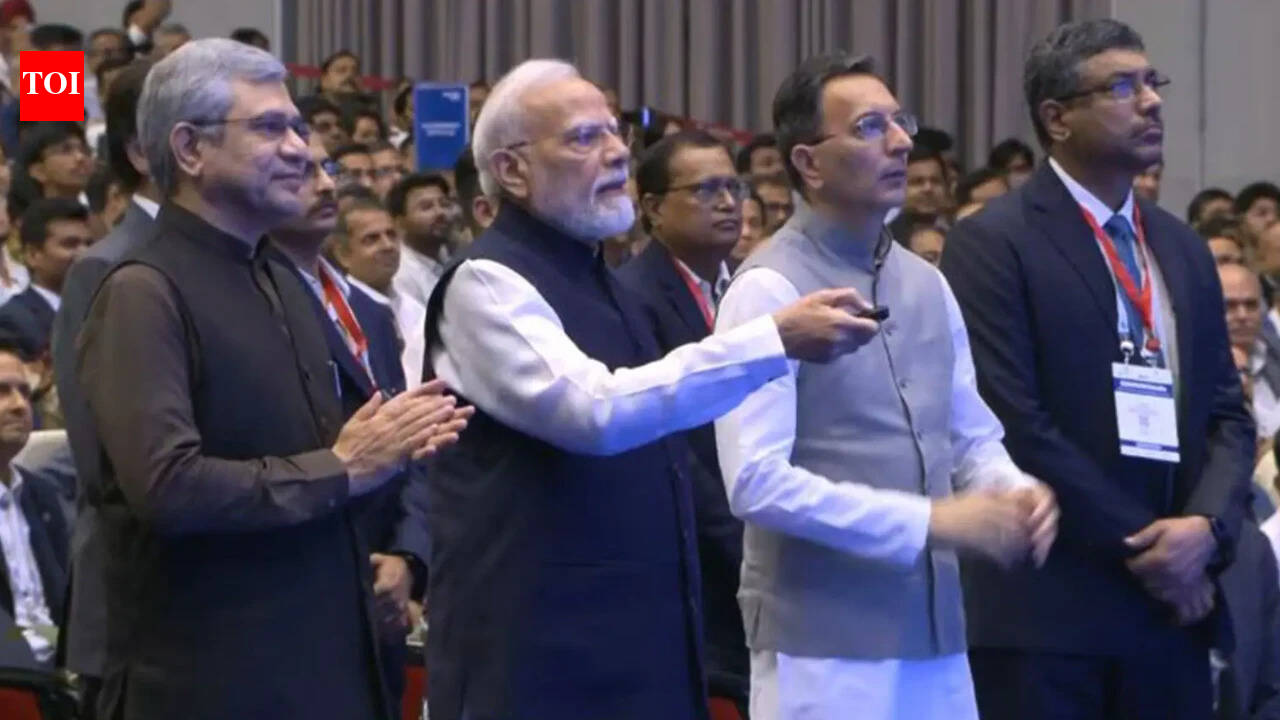
Prime Minister Narendra Modi just wrapped up Semicon India 2026, firmly positioning India as the world's next trusted chipmaking hub. He emphasized that the exploding demand from the global AI boom necessitates new, reliable manufacturing locations, and India is ready to fill that void. This comes as major players like Applied Materials committed a whopping $5 billion investment, and Lam Research pledged ₹10,000 crore to build its first silicon component facility here, signaling serious global confidence. The timing couldn't be more critical. With global supply chains under increasing pressure and even 'weaponisation,' diverse and secure chip sources are vital. India's ambitious India Semiconductor Mission (ISM) 2.0, backed by a significant $13.5 billion outlay, is moving beyond just plans, with 12 semiconductor projects already approved and some even beginning commercial production, including facilities from Micron Technology and Tata Electronics. The AI revolution, which is expected to push the global semiconductor market past $1 trillion in 2026, is putting immense strain on current manufacturing capacity, particularly for advanced components like High-Bandwidth Memory (HBM). Looking ahead, India is rapidly working to build a complete 'Silicon to Systems' ecosystem, moving from chip design and assembly to full-fledged fabrication, advanced packaging, and testing. This comprehensive approach aims to tap into India's projected domestic semiconductor market, which could hit $200 billion by 2035, and reduce its reliance on imports, ultimately strengthening global tech resilience. The focus now shifts to sustained execution and attracting further high-tech investment to realize this vision.