India expected to be among the countries invited to join initiative to secure Strait of Hormuz: French sources - The Hindu
Context mode is active. Hover over any highlighted term to see its definition. Click a nested term to go deeper.
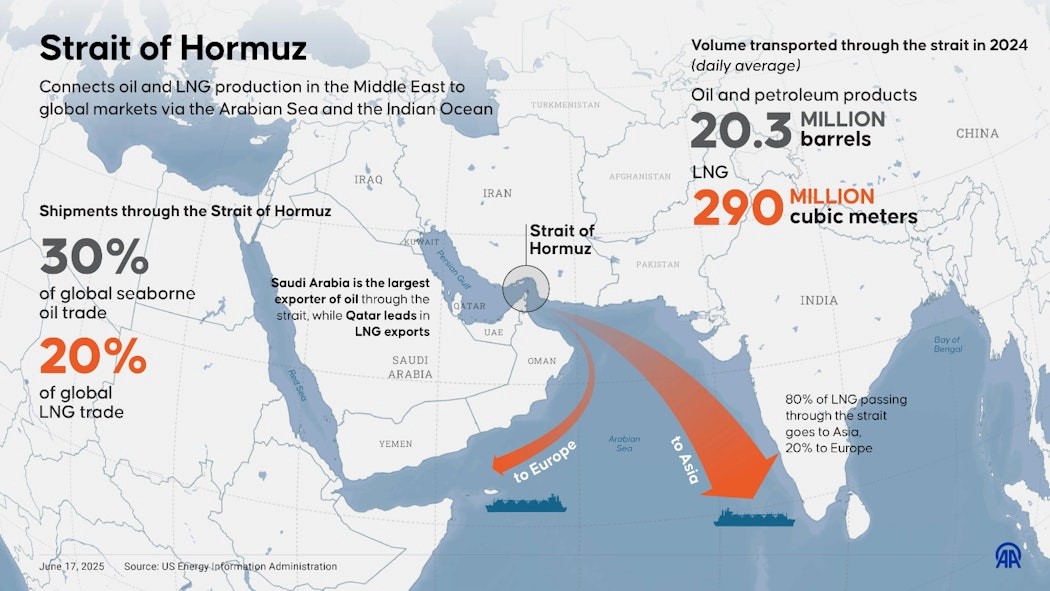
India stands at a critical geopolitical crossroads, invited by France to join a multinational initiative aimed at securing the Strait of Hormuz amidst an escalating war and Iran effective closure of the vital waterway. This French overture, confirmed by diplomatic sources ahead of Prime Minister Narendra Modi bilateral talks with President Emmanuel Macron, underscores global alarm over maritime trade disruption and India pivotal role in stabilizing a region reeling from active conflict. The invitation arrives as the 2026 Iran war intensifies, with the US and Israel engaging Iran in air attacks and the US imposing a naval blockade on Iranian ports. Iran, in retaliation, has declared the Strait closed to all vessels, targeting commercial ships and severely impacting oil and liquefied natural gas (LNG) transit, which accounts for a quarter of the world's seaborne oil trade. For India, heavily reliant on Middle Eastern energy imports, maintaining unimpeded access to this chokepoint is a core national security imperative. The Ministry of External Affairs has explicitly called for safe navigation, while the Indian Navy's 'Operation Sankalp' continues to independently escort Indian-flagged vessels, showcasing New Delhi's delicate balancing act between international cooperation and strategic autonomy. France, which co-chaired an April 2026 conference on the Strait of Hormuz Maritime Navigation Initiative with the UK, aims to coalesce a 'strictly defensive multinational mission' to restore freedom of passage. While existing European efforts like Operation ASPIDES in the Red Sea signal multilateral commitment, India decision on joining this new French-led construct will signal its evolving stance in a volatile region. The upcoming discussions between Modi and Macron will be closely watched for clarity on India engagement, potentially shaping a critical new architecture for global energy security and regional stability.