India Fortifies Exam Integrity: New Anti-Paper Leak Law Promises Stricter Justice
Context mode is active. Hover over any highlighted term to see its definition. Click a nested term to go deeper.
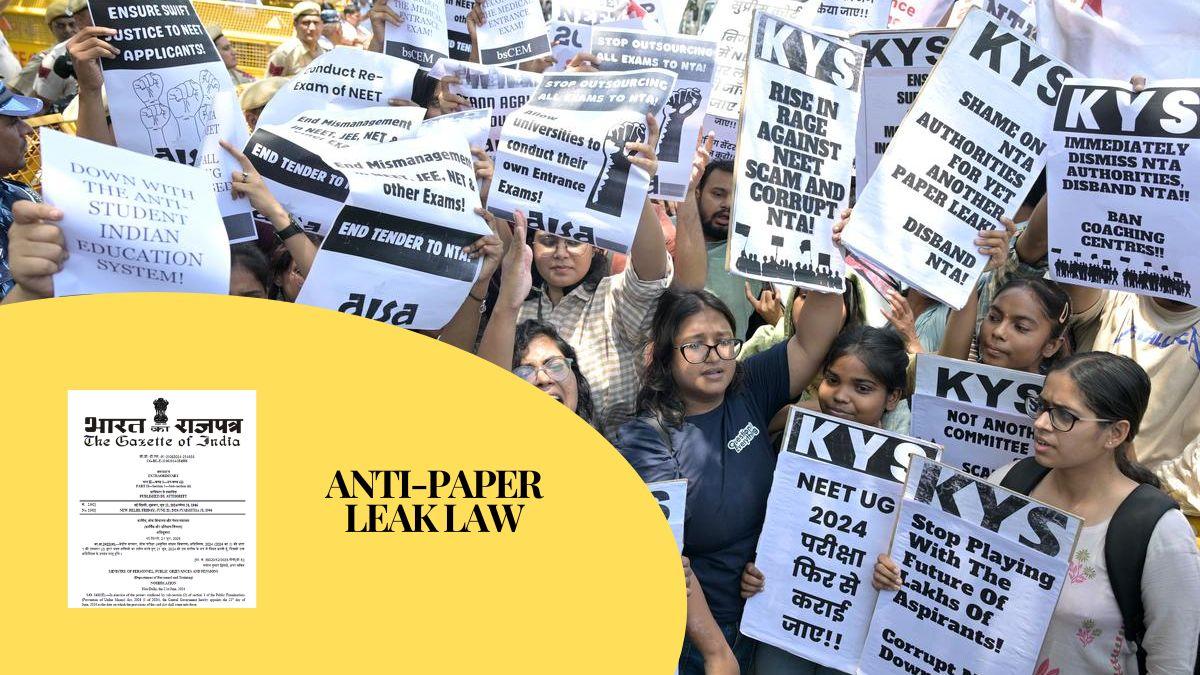
In a decisive move to protect the integrity of India's examination system, President Droupadi Murmu has officially given her assent to the Public Examinations (Prevention of Unfair Means) Amendment Bill, 2026, transforming it into law. This new legislation significantly ramps up penalties for question paper leaks and other examination-related fraud, introducing jail terms of up to 10 years and fines reaching Rs 50 lakh for individuals involved in such malpractices. The Union Government swift action follows widespread student protests and aims to curb the menace of organised crime undermining public examinations across the nation. The amended law, which updates the Public Examinations (Prevention of Unfair Means) Act, 2024, was fast-tracked through Parliament after intense public outcry, particularly following the NEET 2026 paper leak and other reported irregularities. It mandates a minimum jail term of seven years and fines of no less than Rs 10 crore for organised offences, demonstrating a clear intent to dismantle the 'paper-leak mafia'. The legislative push also saw the resignation of former Education Minister Dharmendra Pradhan amidst the protests, highlighting the critical national importance of this issue. With the President's approval, the law now paves the way for the establishment of fast-track courts in every state and Union Territory to ensure speedy trials, aiming to complete investigations within two months and trials within three months of chargesheet filing. Furthermore, the Union Government is empowered to form Special Task Force to probe these offences, which include 15 listed illegal acts like tampering with OMR sheets and creating fake websites. This comprehensive framework seeks to instill greater transparency and fairness, promising a more secure future for millions of aspiring students.