India Fuels Up: New Barmer Refinery Opens, Signaling Global Energy Shift
Context mode is active. Hover over any highlighted term to see its definition. Click a nested term to go deeper.
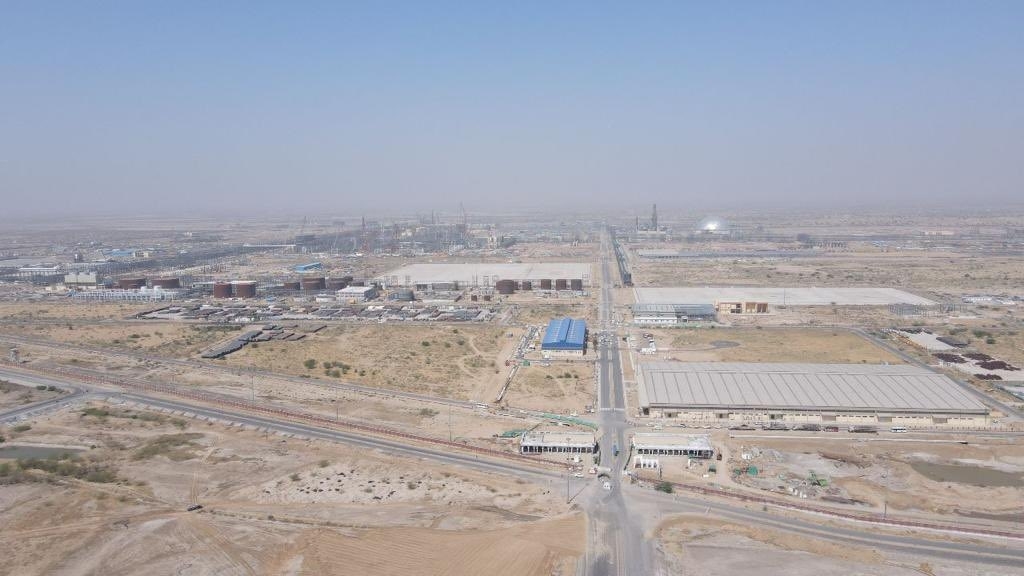
Prime Minister Narendra Modi recently inaugurated India's latest and arguably the world's only new large refinery commissioned this year: the $8.3 billion Barmer refinery in Rajasthan. This massive 180,000 barrels per day facility, which began commercial operations on June 22 after a brief delay due to a fire, dramatically underscores India's aggressive push to expand its energy processing capabilities, sharply contrasting with a trend of refinery closures in Western economies. This strategic move positions India as a crucial 'swing exporter' of fuels like diesel and gasoline, especially relevant given renewed global sensitivities around supply risks from critical chokepoints like the Strait of Hormuz. While the Barmer plant relies on imported crude, it significantly broadens India's ability to process diverse oil types and secure domestic fuel supply, a strategy Modi credited for helping India navigate recent global energy shocks with minimal impact on citizens. India is projected to lead global refining additions through 2030, accounting for nearly a quarter of new capacity. Looking ahead, India aims to increase its overall refining capacity to 300 million metric tons per annum, or 6.2 million barrels per day, by the end of the decade. This ambitious expansion, driven by state-run giants like Hindustan Petroleum, not only fortifies India's energy independence but also solidifies its role as a major global supplier of refined petroleum products, particularly as Europe and the US continue to decommission older plants. The world will be watching how this shift impacts global energy trade dynamics.