India Grapples with Deepening Water Crisis, Shifts to Urgent, Tech-Driven Solutions
Context mode is active. Hover over any highlighted term to see its definition. Click a nested term to go deeper.
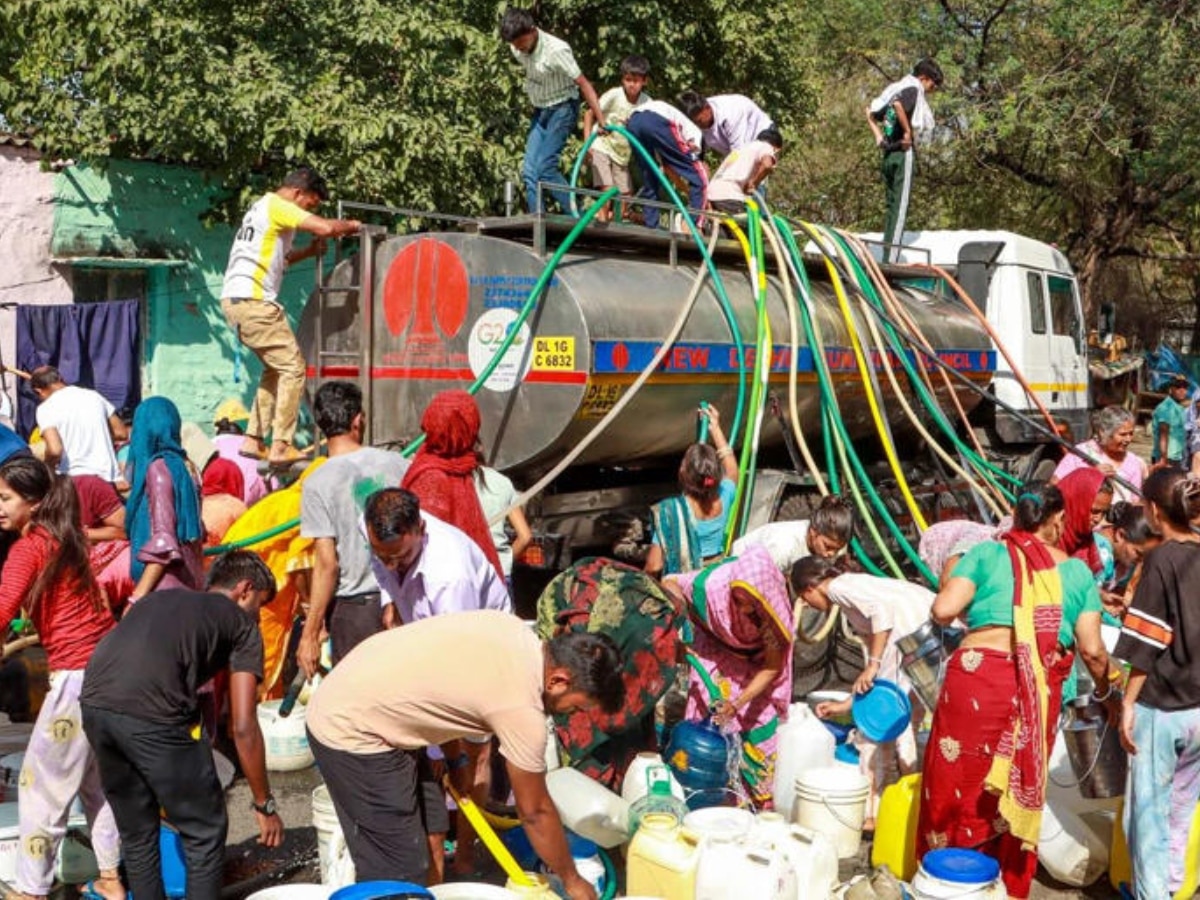
India is confronting an urgent and escalating water security crisis, with major cities like Delhi and Bengaluru experiencing severe shortages exacerbated by a recent 40% monsoon rainfall deficit. The government is responding with intensified, multi-pronged strategies, including an expanded Jal Jeevan Mission 2.0 and a renewed focus on local water conservation efforts, aiming to move beyond temporary fixes to structural, long-term resilience. At the heart of the crisis are rapidly declining groundwater levels due to over-extraction for agriculture and urban demand, coupled with unpredictable monsoons and intense heatwaves worsened by climate change. India's per capita water availability is fast approaching the scarcity threshold, while aging infrastructure and widespread pollution further strain resources. New approaches emphasize wastewater reuse, data-driven governance with AI monitoring, and empowering communities through initiatives like the 'Nal Jal Mitra Programme' and 'Jal Mahotsav 2026' to manage water sustainably. Looking ahead, the extension of the Jal Jeevan Mission until December 2028 signals a shift towards 'operational excellence' and service quality, backed by a substantial budget increase. Delhi's mandatory 'Catch the Rain 2026' campaign and the upcoming 'MAHA on Water' research initiative highlight ongoing efforts. However, the potential for a strong El Niño later this year could further challenge water availability, making sustained policy implementation and citizen participation critical for averting widespread water bankruptcy.