India highlights success of new labour reforms at ILO conference in Geneva
Context mode is active. Hover over any highlighted term to see its definition. Click a nested term to go deeper.
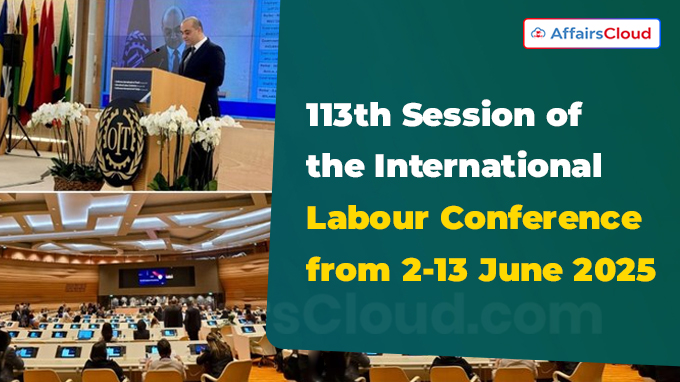
India recent presentation at the 114th International Labour Conference (ILC) in Geneva underscored its aggressive push to modernize labor laws, highlighting the 'success' of its consolidated four Labour Codes. Union Minister of State for Labour and Employment, Shobha Karandlaje, championed these reforms, which subsume 29 Central Labour Laws under the guiding principle of 'Antyodaya'—aiming to simplify compliance and enhance workers' welfare. This move, effective from November 2025 with targeted full operationalization by April 2026, aims to streamline India historically fragmented labor regulatory landscape into a transparent and efficient ecosystem. The ambitious consolidation includes the Code on Wages, the Industrial Relations Code, the Code on Social Security, and the Occupational Safety, Health and Working Conditions Code, with central rules officially notified in May 2026. These codes introduce significant changes, such as the '50% Wage Rule' impacting payroll costs by mandating basic pay to constitute at least half of an employee's total Cost to Company, consequently increasing statutory contributions like Provident Fund and Gratuity. Crucially, they extend social security benefits to Gig and Platform Workers for the first time, offer parity to Fixed-Term Employment, and implement a rapid 48-hour full and final settlement for departing staff, reflecting a push for formalization and expanded worker protections. However, the reforms have not been without controversy, with trade unions previously raising 'deep concern' over a lack of Tripartite Consultation, a point that led to the ILO intervention in 2020, appealing to the Indian government to uphold its international commitments. As India states continue to finalize their individual rules, ensuring uniform and effective implementation remains a critical hurdle, particularly for micro, small, and medium enterprises navigating the increased Compliance burden and financial implications. The government points to rising youth employability, declining unemployment, and a significant increase in women's workforce participation as early indicators of success, alongside the expansion of Social Security coverage to over a billion people. Yet, the long-term impact will hinge on how effectively these codes balance business flexibility with robust worker safeguards, especially given ongoing debates about India selective adherence to certain ILO conventions. Businesses and workers alike will be closely watching for consistent enforcement and whether the promise of a simplified, equitable labor market truly materializes across the diverse Indian economy.