India Holds Firm on UPI Merchant Charge: No Rollback on 0.4% Fee Above ₹2,000
Context mode is active. Hover over any highlighted term to see its definition. Click a nested term to go deeper.
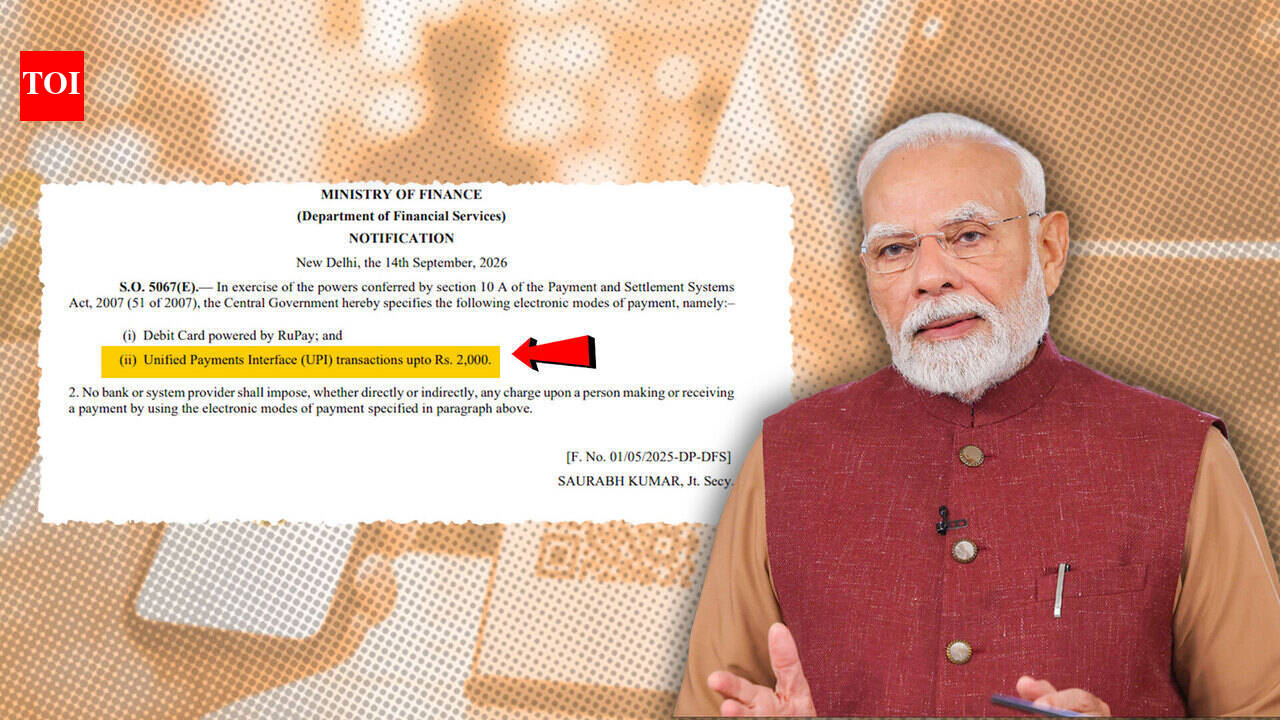
India government has definitively ruled out any reversal on the new 0.4% Merchant Discount Rate (MDR) for Unified Payments Interface (UPI) transactions above ₹2,000, effective October 15. This landmark decision marks the end of nearly six years of completely free UPI payments for merchants, with the Centre asserting the move is crucial for the long-term health, security, and financial stability of the massive UPI Ecosystem. While Person-to-Person (P2P) transactions and small merchant payments remain free, the change impacts larger business transactions across the country. The Finance Ministry maintains that customers will continue to enjoy free UPI usage, and small merchants receiving up to ₹1 lakh monthly via QR Code Payments will also remain exempt. However, this policy shift has ignited a political firestorm, with Opposition parties, including the Indian National Congress, lambasting it as a 'Modi Tax' and alleging it's a consequence of 'US pressure' aimed at benefiting foreign card companies. The government has swiftly rejected these claims, emphasizing that the decision was made independently to build a self-sustaining and inclusive Digital Payments infrastructure. As the October 15 deadline approaches, the focus now shifts to the practical implementation of the revised MDR framework and its ripple effects. While banks have been advised to prevent merchants from passing these charges directly to customers, the Traders' Associations (India) have voiced concerns that the fee could indirectly lead to increased prices or even push some smaller retailers back to cash payments. The government has also announced a dedicated fund, collecting 5% of MDR, to further promote UPI adoption among small merchants, particularly in rural and semi-urban areas, indicating ongoing efforts to balance sustainability with accessibility.