India Holds Steady at 7% GDP Growth Forecast, Eyes UPI Fee Shift
Context mode is active. Hover over any highlighted term to see its definition. Click a nested term to go deeper.
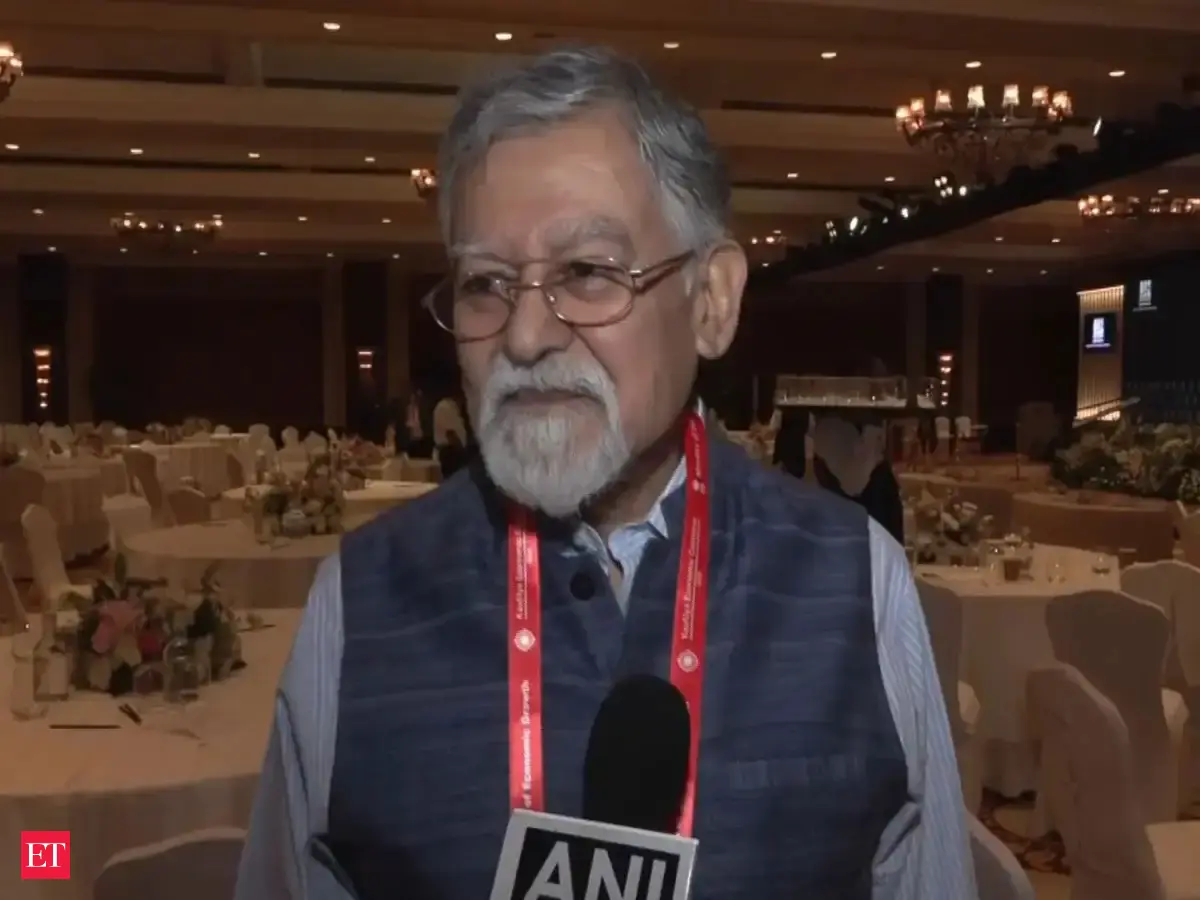
India's economic trajectory remains a strong 7% for the current fiscal year, according to NITI Aayog Member Arvind Virmani, who is keeping a close watch on global headwinds. Despite persistent uncertainty from international trade disputes and ongoing global developments, Virmani's forecast suggests a steady, albeit cautious, outlook for one of the world's fastest-growing major economies. This stability is paired with a push for a significant policy shift in the booming digital payments space, with a new fee structure for UPI transactions set to take effect from October 15, 2026. The move towards a cost-based Merchant Discount Rate (MDR) for Unified Payments Interface (UPI) transactions above Rs 2,000 comes after years of government subsidies successfully drove its widespread adoption, making it a cornerstone of India's digital economy. Virmani emphasized that the initial subsidy achieved its goal of widespread adoption, and a sustainable model is now needed for further innovation and expansion. This decision, backed by the Supreme Court's refusal to stay it, aims to ensure the long-term sustainability and continued innovation of the platform, even as global trade frictions, including US tariffs on Indian goods and the EU's Carbon Border Adjustment Mechanism (CBAM), continue to cast a shadow over export-oriented sectors. Looking ahead, the implementation of the new UPI MDR by the National Payments Corporation of India (NPCI) will be keenly observed, particularly its impact on merchants and transaction volumes, though person-to-person payments and low-value merchant transactions remain exempt. India's digital payment ecosystem, already a global leader, is poised for continued robust growth, with UPI and other digital platforms expected to drive significant increases in transaction volume and value through 2031. The NITI Aayog refined outlook for the coming quarters will heavily depend on how effectively India navigates this dynamic global economic landscape and capitalizes on its domestic growth drivers, keeping an eye on the plus or minus 1% uncertainty range.