India Holds Steady on E20 Ethanol Blending, No Immediate Plans for Higher Mix
Context mode is active. Hover over any highlighted term to see its definition. Click a nested term to go deeper.
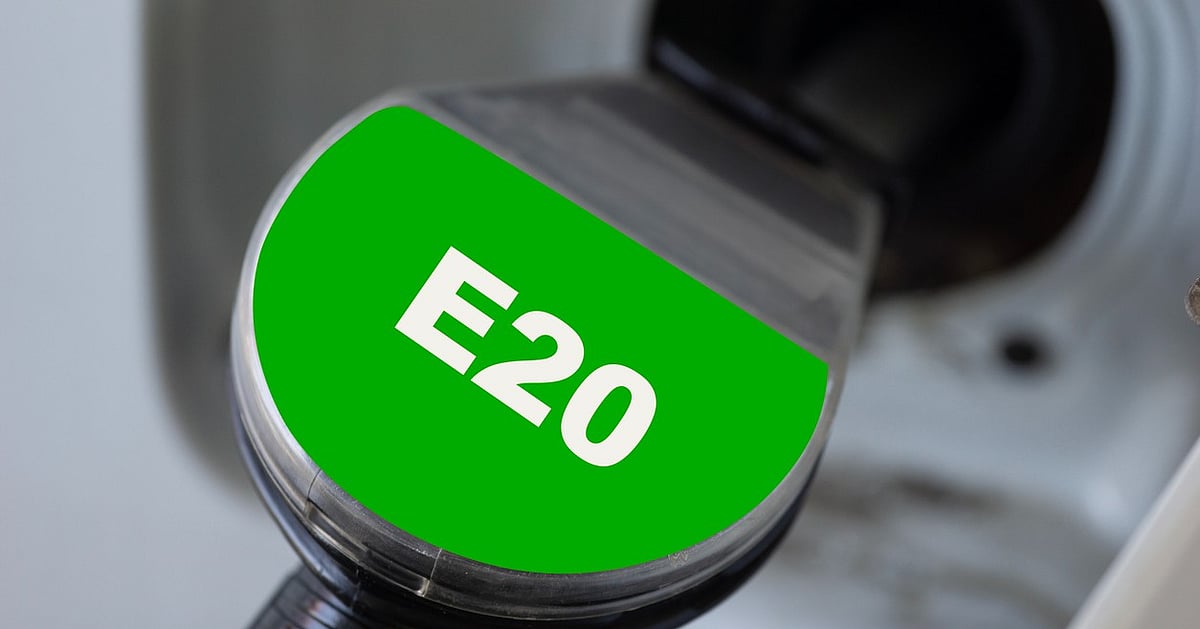
India's ambitious push for green fuel is hitting a temporary pause button, with the government clarifying it has no immediate plans to increase ethanol blending in petrol beyond the current 20% (E20) level. Minister of State for Petroleum and Natural Gas Suresh Gopi informed Parliament today that any future move would only come after extensive scientific studies, technical evaluations, and detailed consultations with all key players, including car manufacturers and fuel retailers. This statement firmly addresses growing speculation and concerns among motorists and industry stakeholders about higher ethanol concentrations following the rapid nationwide E20 rollout. The government has been a strong proponent of the Ethanol Blended Petrol (EBP) Programme, successfully achieving its 20% blending target in 2025-26, years ahead of the original 2030 deadline. This initiative aims to slash India's hefty crude oil import bill, bolster energy security, and reduce carbon emissions. While officials, citing studies by the Automotive Research Association of India (ARAI) and the Indian Institute of Petroleum (IIP), maintain that E20 is safe and causes no widespread engine damage, some vehicle owners have reported concerns over marginal drops in fuel efficiency, particularly in older models not specifically designed for higher ethanol blends. With the current E20 mandate firmly in place across roughly 90,000 fuel stations nationwide since April 2026, the focus now shifts to these promised scientific studies and stakeholder dialogues. This measured approach suggests a cautious but deliberate path forward, ensuring that environmental and economic benefits are balanced against practical implementation challenges and vehicle compatibility. The decision leaves the door open for future, higher blends like E85 or E100, but only once thorough assessments provide clear guidance, indicating that for now, E20 is the new normal.