India-Japan Forge Deep Economic and Defense Ties Amid Global Shifts
Context mode is active. Hover over any highlighted term to see its definition. Click a nested term to go deeper.
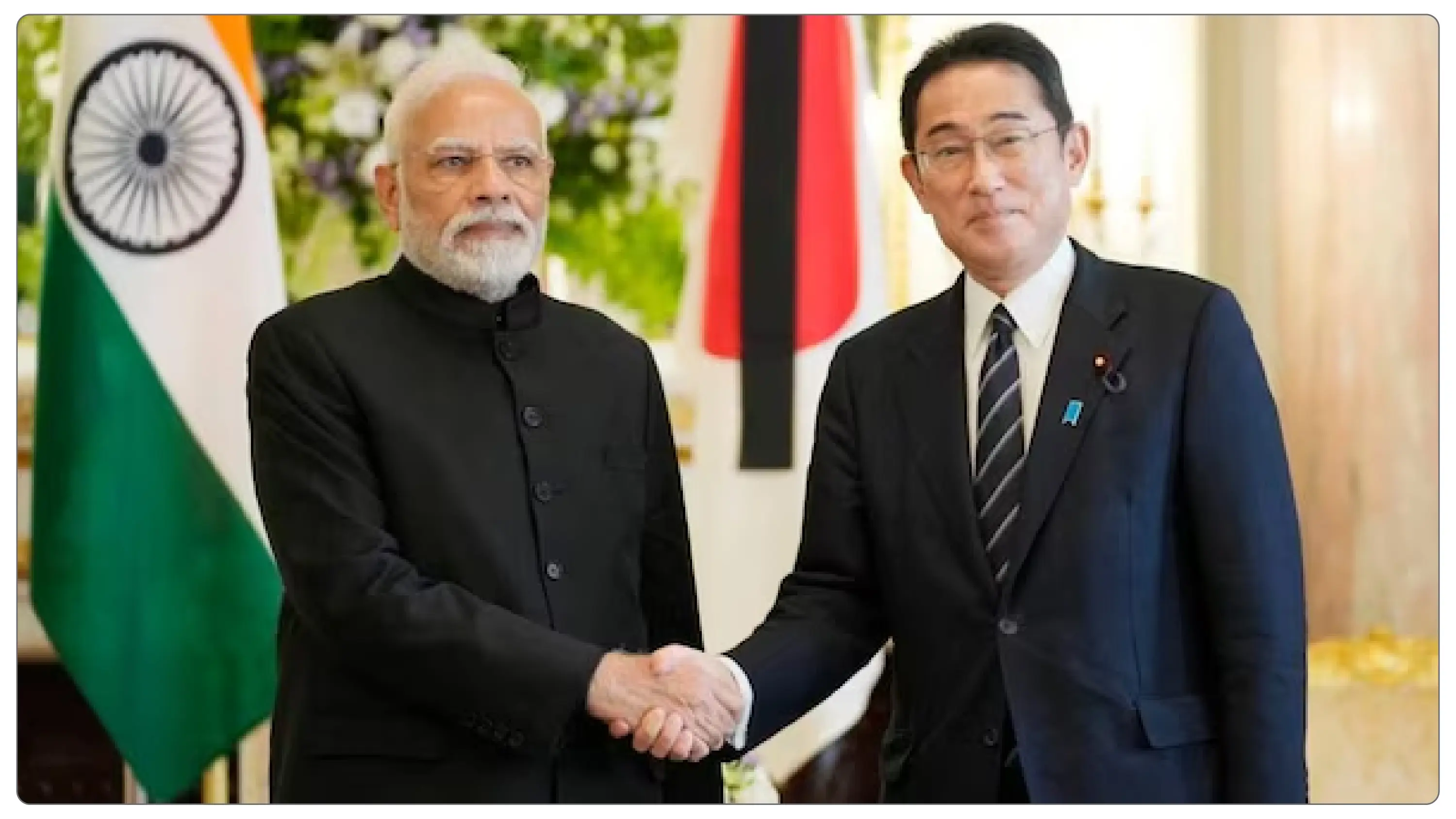
Japanese Prime Minister Sanae Takaichi has arrived in New Delhi for a critical three-day summit with Prime Minister Narendra Modi, sparking pivotal discussions aimed at strengthening cooperation across vital sectors like advanced technologies, energy independence, and defense. This visit, backed by a large group of over 100 Japanese business leaders, is set to boost joint efforts to build strong supply chains and navigate global economic challenges. At the core of these talks are ambitious plans for working together on semiconductors, important critical minerals, and clean energy, with Japan looking to invest a massive ¥10 trillion (about $65-70 billion) in India by 2035. Both nations are keen to lessen their reliance on single global suppliers, a step driven by recent worldwide disruptions and worries about countries using their economic power unfairly. Leaders will also push forward on advanced AI research, ensuring safe sea routes in the Indo-Pacific region, and exploring joint production of defense equipment, like the 'UNICORN' project for Indian warships, signaling a stronger strategic friendship. Everyone is looking forward to a special joint statement on economic security and another on AI cooperation, along with many agreements between private companies. Discussions will also cover creating a group to manage liquefied natural gas stockpiles and building a big green ammonia production factory in India. This summit clearly shows India and Japan's shared goal for a peaceful and thriving Indo-Pacific region, with real actions expected to take shape in the coming months.