India Launches Major Child Healthcare Overhaul for First 1,000 Days
Context mode is active. Hover over any highlighted term to see its definition. Click a nested term to go deeper.
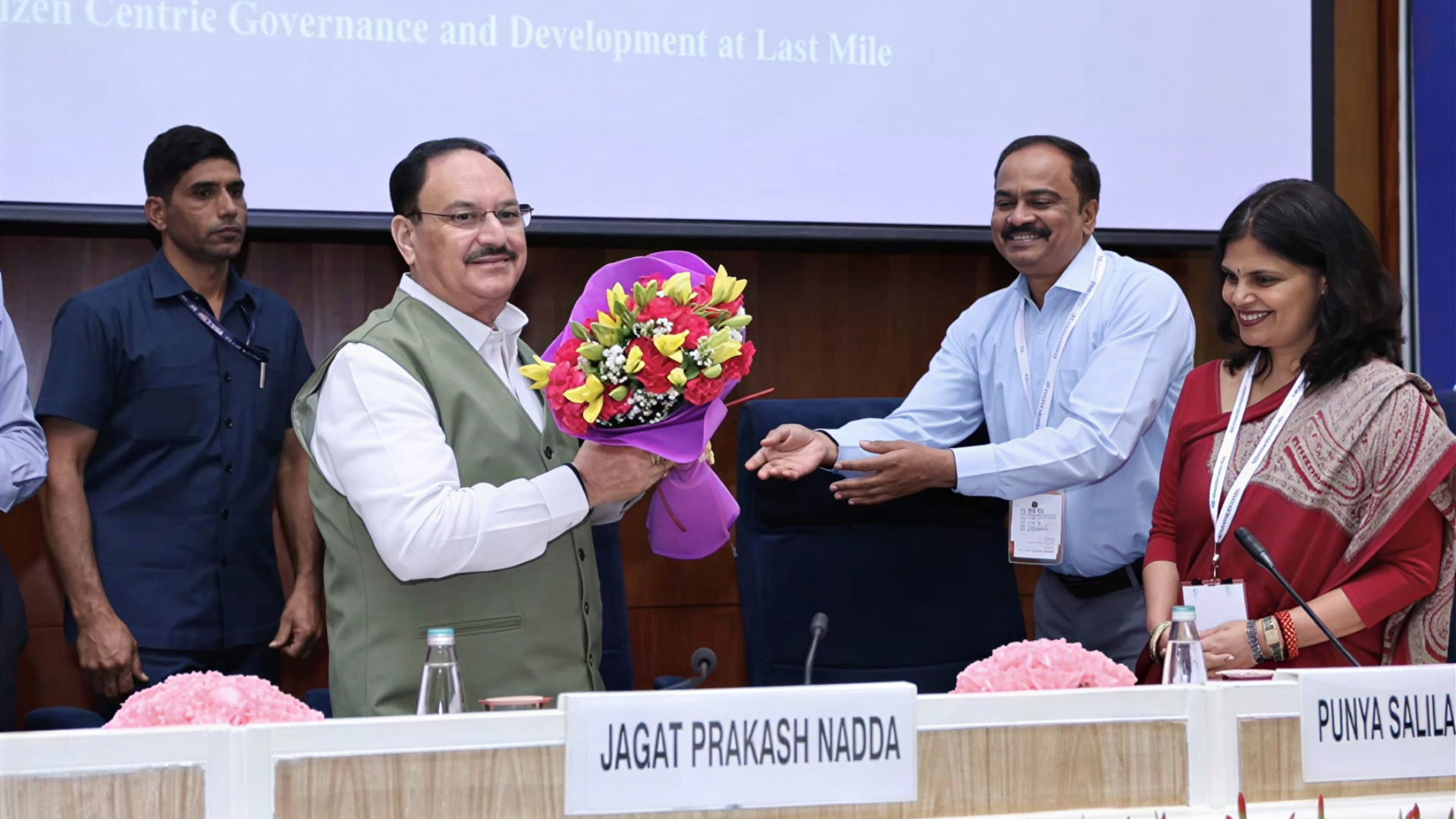
In a significant move to bolster child healthcare nationwide, Union Health Minister J.P. Nadda today launched the Samagra Shishu Bal Swasthya Karyakram (SSBSK) at the 16th Conference of the Central Council of Health and Family Welfare (CCHFW) in New Delhi. This comprehensive national program aims to provide seamless health services for children from birth up to 36 months, critically integrating existing initiatives under a pioneering 'risk-stratified approach' to ensure targeted care for vulnerable infants. The SSBSK marks a strategic consolidation of the earlier Home-Based Newborn Care (HBNC) and Home-Based Care for Young Child (HBYC) programs, recognizing the vital importance of a child's first three years for survival, growth, nutrition, and brain development. The initiative aligns with the broader objectives of the National Health Mission (NHM) and India's commitment to the health-related Sustainable Development Goals (SDGs), especially SDG 3 on good health and well-being, where India has shown recent progress but still faces challenges. Discussions at the conference are also delving into wider public health priorities, including food and drug reforms and allied health services. Looking ahead, the SSBSK will see intensified follow-up through additional home visits for 'at-risk' newborns and children, delivered by frontline workers such as Accredited Social Health Activists (ASHAs), Auxiliary Nurse Midwives (ANMs), Community Health Officers (CHOs), and Anganwadi Workers (AWWs). The program will also introduce 'Well-Baby Sessions' and 'Shishu Shivirs' at Ayushman Arogya Mandirs and leverage digital technologies for enhanced monitoring and continuity of care, aiming to establish a robust, interconnected healthcare safety net for India's youngest citizens.