India Leaps Forward: Quantum Link Success Paves Way for Secure Space Communication
Context mode is active. Hover over any highlighted term to see its definition. Click a nested term to go deeper.
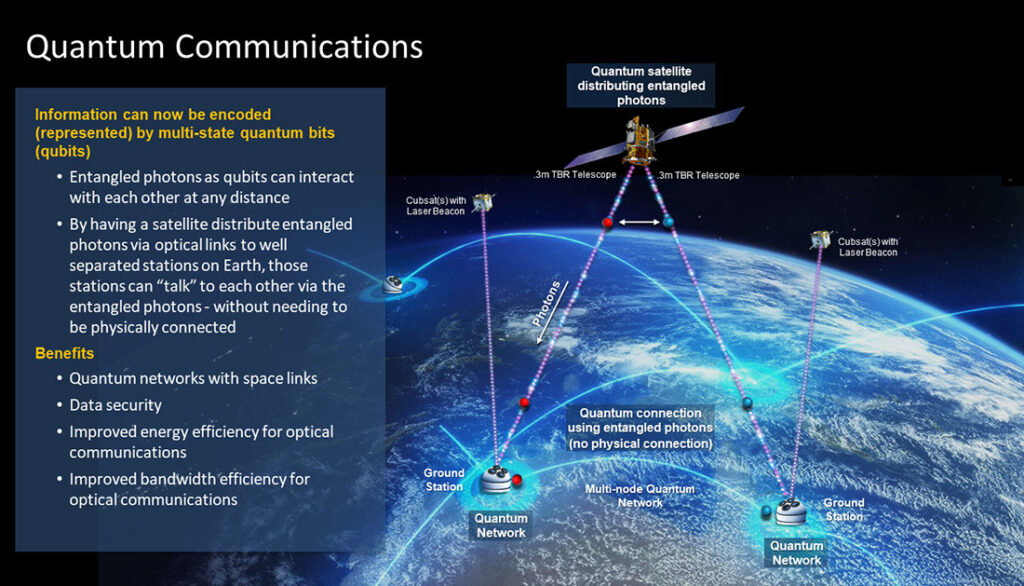
India has just made a significant move in the global quantum race, successfully testing a 5.56-kilometer 'free-space' quantum link in a big step towards super-secure communication from space. This groundbreaking trial, conducted between BISAG-N and IIT Gandhinagar, on the night of September 27-28, 2026, showed that sharing secret digital keys using quantum physics can work reliably through the open air, setting the stage for India's future satellite-based quantum networks. This latest achievement comes under India's ambitious National Quantum Mission (NQM), which aims to make the country a leader in this cutting-edge field. It builds on earlier successes, like a 1,000-kilometer quantum communication network over fiber in April 2026 and a 1-kilometer free-space link by DRDO and IIT Delhi in March 2026. The fear is that powerful 'quantum computers' could one day break today's standard encryption methods, making current internet security vulnerable. India's strategy uses a two-layered approach: 'Quantum Key Distribution (QKD)' with 'post-quantum cryptography' through systems like 'Vedic Kavach', ensuring data stays safe even if the quantum link faces problems. The Indian Space Research Organisation (ISRO) is now eyeing the next big leap with its 'Secure Applications using Quantum and Optical Technologies (SAQTI)' program. This program will focus on demonstrating quantum communication between satellites and ground stations, and even between different satellites. As India continues to develop its indigenous quantum technology, the world will be watching closely to see how these advancements will shape the future of ultra-secure global communication, from defense to banking.