India-Oman CEPA 2026: Tariff Concessions & CAROTAR Rules
Context mode is active. Hover over any highlighted term to see its definition. Click a nested term to go deeper.
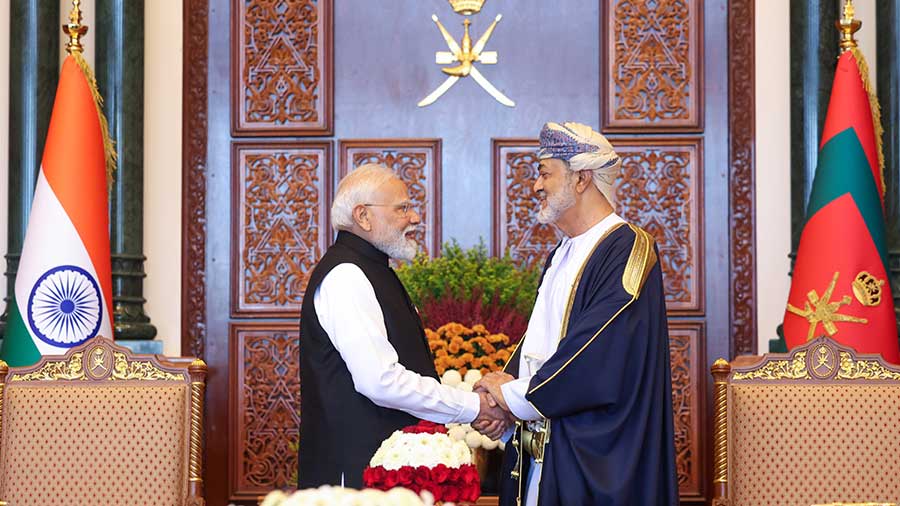
India and Oman have officially activated their Comprehensive Economic Partnership Agreement (CEPA) as of June 1, 2026, marking a pivotal moment in bilateral trade. This landmark pact immediately offers duty-free access and significant tariff concessions across nearly 90% of goods, poised to supercharge trade volumes and diversify economic ties far beyond traditional energy sectors. The activation underscores New Delhi's strategic push into the Middle East amidst evolving global supply chain dynamics. The CEPA's implementation is a key plank in India's "Look West" policy, aiming to solidify economic partnerships in the Gulf, and for Oman, it accelerates its "Vision 2040" diversification away from oil dependence. The deal specifically targets growth in Indian exports like refined petroleum products, pharmaceuticals, engineering goods, and textiles, while facilitating Omani exports of aluminum, mineral products, and specific petrochemicals. Critically, India's robust CAROTAR Rules 2020 will govern Rules of Origin, ensuring that only genuinely originating goods benefit from the preferential tariffs, preventing trade deflection. Looking ahead, both nations anticipate a rapid expansion in bilateral trade, with projections suggesting a potential surge past $15 billion within the next five years from the current $12 billion. While the immediate focus is on maximizing tariff benefits, attention will soon shift to harmonizing technical standards and addressing non-tariff barriers to unlock the agreement's full potential. This CEPA sets a new benchmark for India's engagements with the GCC bloc, signaling a deeper economic integration across the Arabian Sea.