India ramps up J&K hydropower projects amid Indus Water Treaty pause
Context mode is active. Hover over any highlighted term to see its definition. Click a nested term to go deeper.
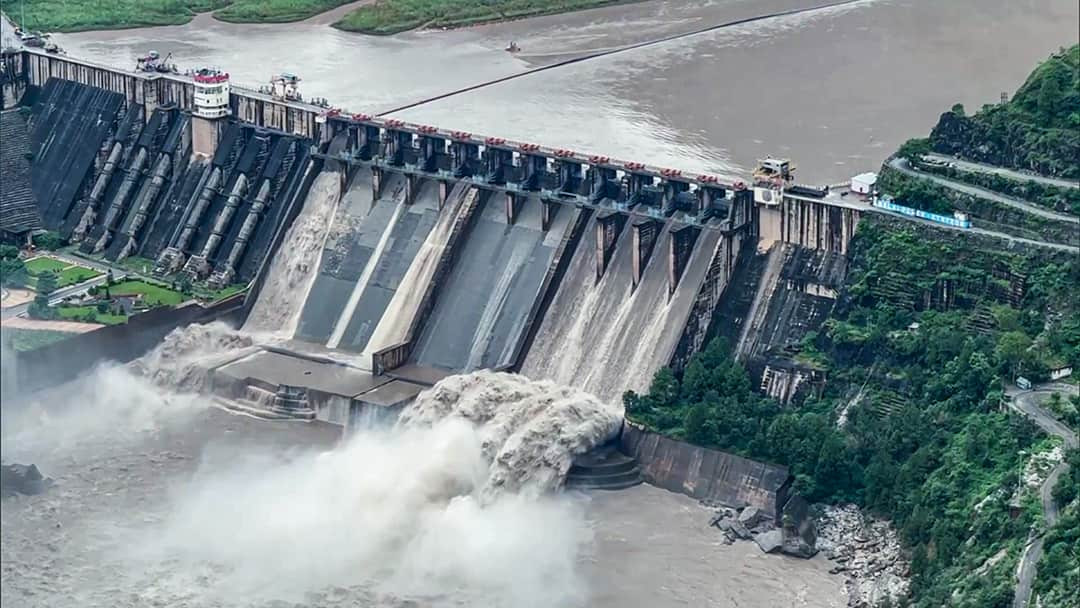
India is accelerating a $3 billion investment in three pivotal hydropower projects across Jammu and Kashmir, targeting 2.35 GW capacity to address critical domestic power deficits. This aggressive push comes directly on the heels of New Delhi's April 2025 decision to place the six-decade-old Indus Waters Treaty with Pakistan 'in abeyance' following a deadly terrorist attack in Pahalgam, signaling a dramatic reorientation of India's water resource strategy in the disputed region. The strategic pivot involves fast-tracking key projects like the 850 MW Ratle Hydroelectric Project on the Chenab River, now aiming for a November 2028 commissioning despite previous delays and ongoing international scrutiny, and reviving the long-stalled 930 MW Kirthai-II project. India's Water Minister C.R. Patil has explicitly stated the goal is to ensure 'not a single drop of water' from the western rivers flows into Pakistan in the coming years, a stark shift that Pakistan has decried as an 'act of war' and a violation of international law. The Permanent Court of Arbitration (PCA) has repeatedly ruled against India's unilateral suspension of the treaty and on specific project designs, decisions India has dismissed as 'illegally constituted' and non-binding, escalating the bilateral water dispute into a full-blown legal and geopolitical confrontation. Already, Pakistan reports severe water shortages in agricultural heartlands, exacerbating internal provincial conflicts over dwindling resources. With India's determined stance and projects like Sawalkot (1,856 MW) and additional phases of Dulhasti and Uri-I now underway, the coming years will test the limits of the Indus Waters Treaty resilience and regional stability. Pakistan is expected to continue internationalizing the issue, likely seeking further arbitration or diplomatic intervention, while India remains committed to its infrastructure buildout under Prime Minister Narendra Modi directive. The ongoing work on these high-capacity hydropower projects, particularly on the Chenab, promises to dramatically reshape the energy landscape of Jammu and Kashmir but also casts a long shadow over the future of India-Pakistan relations and water security in South Asia.