India Rejects Nuclear Blackmail, Slams Pakistan at UN Over 'Statecraft' Warnings
Context mode is active. Hover over any highlighted term to see its definition. Click a nested term to go deeper.
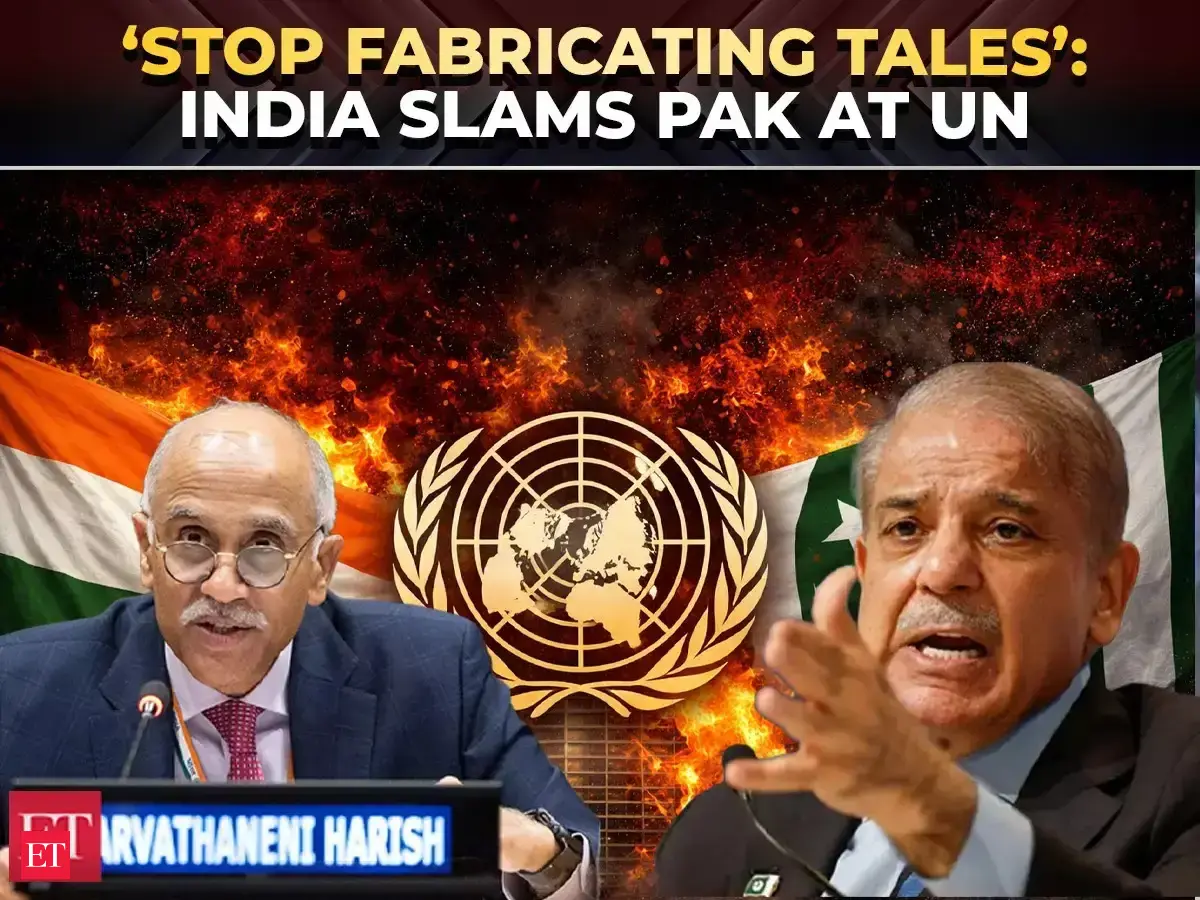
India delivered a sharp warning to Pakistan at the United Nations General Assembly's First Committee, asserting that nuclear weapons are not 'routine instruments of statecraft' and firmly rejecting any form of nuclear blackmail. On Friday, October 9, 2026, Anmol Sher Singh Bedi, Senior Adviser to India Permanent Mission to the Conference on Disarmament, responded to Pakistan remarks on Jammu and Kashmir by reiterating India stance that the region is an integral and inalienable part of its territory. This direct confrontation underscores India zero-tolerance policy towards terrorism and its commitment to national security. This strong statement comes against a backdrop of escalating regional tensions, including the April 2025 Pahalgam terror attack, which killed 26 civilians, and India subsequent retaliatory 'Operation Sindoor' in May 2025 targeting terrorist infrastructure. India criticized Pakistan 'posture that relies on nuclear overhang to limit the consequences of subconventional activity,' arguing it heightens the risk of escalation rather than promoting restraint. Furthermore, India highlighted Pakistan historical links to nuclear proliferation, specifically mentioning the Abdul Qadeer Khan Network. India has also put the Indus Waters Treaty in abeyance, pending Pakistan credible action against cross-border terrorism. Looking ahead, India has clearly drawn three red lines: any terrorist attack will receive a fitting response, it will not bow to nuclear blackmail, and it will not differentiate between sponsors and masterminds of terrorism. This firm stance signals continued vigilance and a proactive approach to national security challenges, urging the international community to recognize the dangers of states using nuclear capabilities to shield proxy warfare. The ongoing friction means the world will be watching for any further developments in the volatile South Asian region, especially concerning nuclear doctrines and counter-terrorism strategies.