India Rejects Pakistan's ASEAN Criticism, Holds Indus Waters Treaty in Abeyance
Context mode is active. Hover over any highlighted term to see its definition. Click a nested term to go deeper.
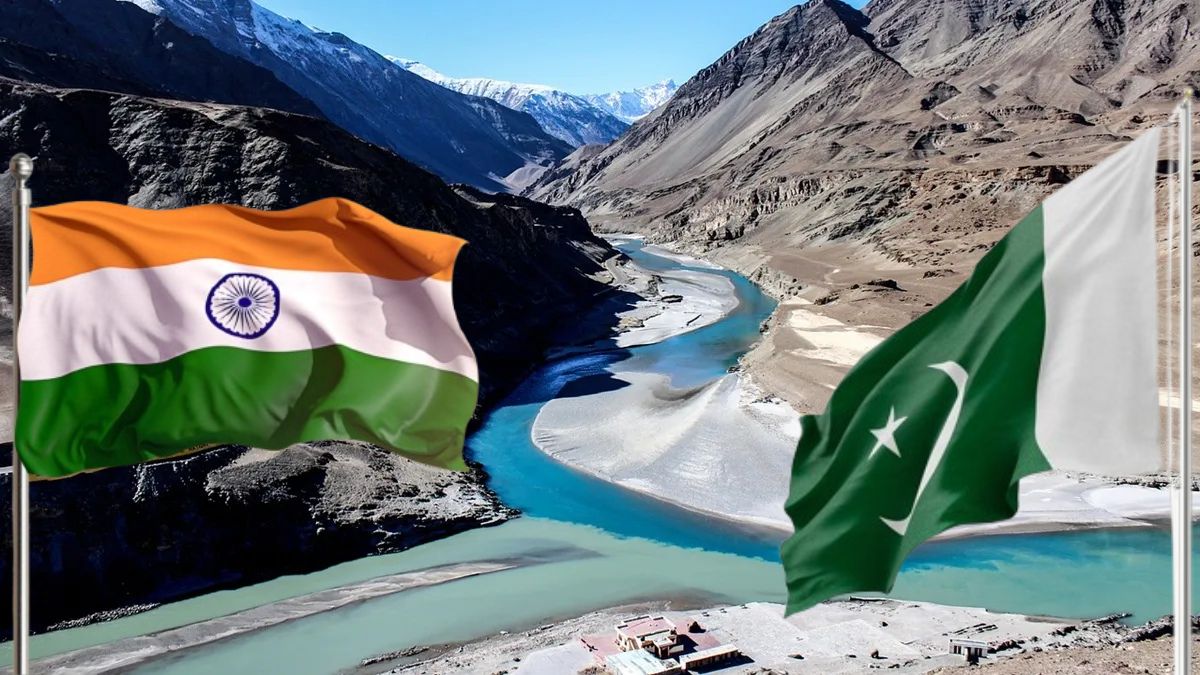
India on Friday delivered a sharp rebuke to Pakistan at the ASEAN Regional Forum, firmly rejecting Islamabad's comments regarding the Indus Waters Treaty and its stance on Jammu and Kashmir. New Delhi reiterated that the crucial water-sharing agreement with Pakistan remains in 'abeyance' – a state of temporary suspension – until Pakistan takes credible and irreversible steps to halt cross-border terrorism against India. This comes after Pakistan Deputy Prime Minister and Foreign Minister, Ishaq Dar, used the ASEAN platform to criticize India position. The diplomatic exchange escalated existing tensions, with India External Affairs Ministry spokesperson, Randhir Jaiswal, dismissing Pakistan allegations of India deliberately causing floods as 'baseless'. Jaiswal clarified that recent surges in the Chenab River were a natural consequence of intense monsoon rains between July 20-23, 2026, even citing Pakistan own Flood Forecasting Division in Lahore which confirmed the weather-driven nature of the floods. India decision to put the Indus Waters Treaty in abeyance dates back to the April 2025 Pahalgam terror attack, which India attributes to Pakistan-backed groups, linking water cooperation directly to an end to terror activities. Looking ahead, India has made it clear that any reactivation or revision of the Indus Waters Treaty is entirely contingent on Pakistan demonstrable commitment to ending terror. The ongoing diplomatic friction and the steadfast linking of water resources to security concerns suggest a prolonged period of strained relations. International forums like ASEAN will likely continue to be arenas where both nations vocalize their grievances, but without concrete action on cross-border terrorism, India hardline stance on the water treaty is unlikely to soften, leaving a critical regional agreement in limbo.