India remains silent on Gaza, while the world continues to speak up
Context mode is active. Hover over any highlighted term to see its definition. Click a nested term to go deeper.
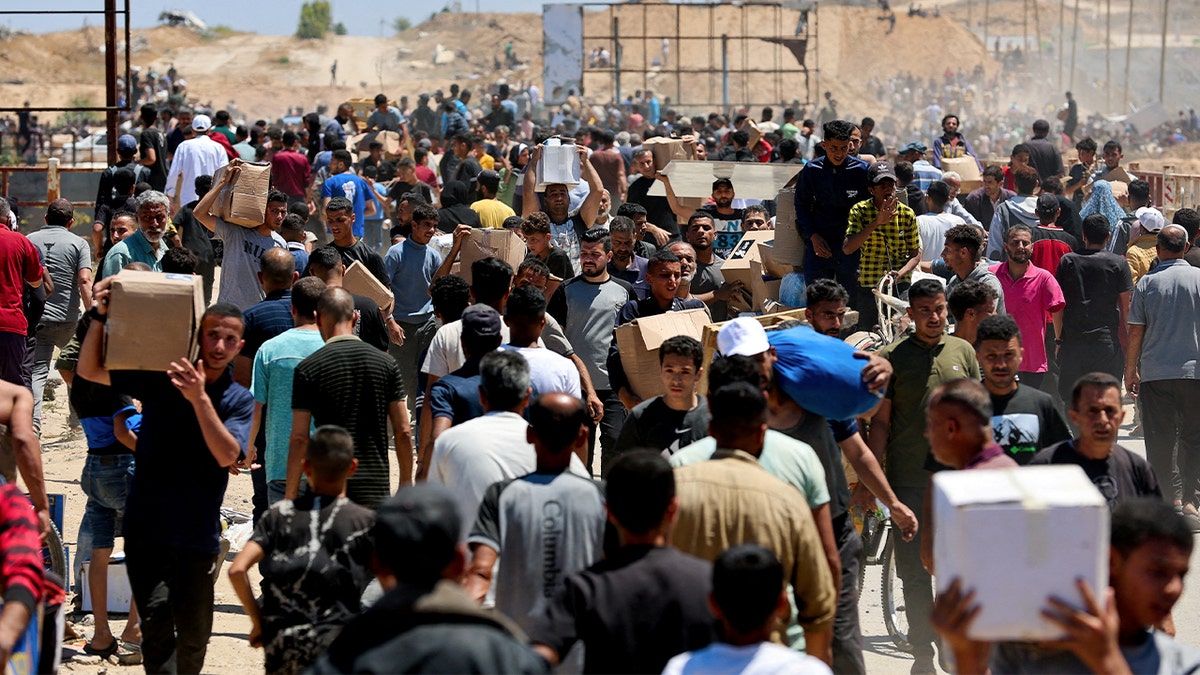
A sharp political debate has erupted in India over the Modi government's perceived 'stony silence' on the ongoing Gaza conflict, with Congress leader Sonia Gandhi today accusing New Delhi of moral reprehensibility and undermining its national interest. This comes even as the United Nations continues to warn of a rapidly deteriorating humanitarian crisis in Gaza, marked by escalating violence and immense human suffering. The ruling Bharatiya Janata Party (BJP) has pushed back, asserting that India has consistently articulated its stance on the issue and provided crucial humanitarian aid. Critics argue that India current cautious approach starkly contrasts with its historical foreign policy rooted in anti-colonial solidarity and support for Palestinian self-determination, traditions often referred to as the 'Spirit of Indian Nationhood'. This perceived inaction is drawing fire as international bodies, including the UN Independent International Commission of Inquiry, recently reiterated that Israeli actions in Gaza aim to destroy the very existence of Palestinians by targeting children. Meanwhile, the humanitarian situation in Gaza remains dire despite a ceasefire announced in October 2025, with widespread displacement, disease, and over 70% of the population relying on trucked water. As global calls for a lasting ceasefire and unimpeded humanitarian access intensify, India faces a delicate balancing act between its deepening strategic partnership with Israel and its long-standing support for Palestine. The international community will closely watch whether domestic and global pressure pushes New Delhi to adopt a more assertive diplomatic stance, potentially impacting the nascent International Stabilisation Force and reconstruction efforts in Gaza, which are still in their early stages despite a US-brokered peace plan. The coming weeks will reveal if India adjusts its approach amidst persistent international scrutiny and severe on-the-ground conditions.