India Rushes Tougher Anti-Paper Leak Law Amid Student Outcry, Parliamentary Storm
Context mode is active. Hover over any highlighted term to see its definition. Click a nested term to go deeper.
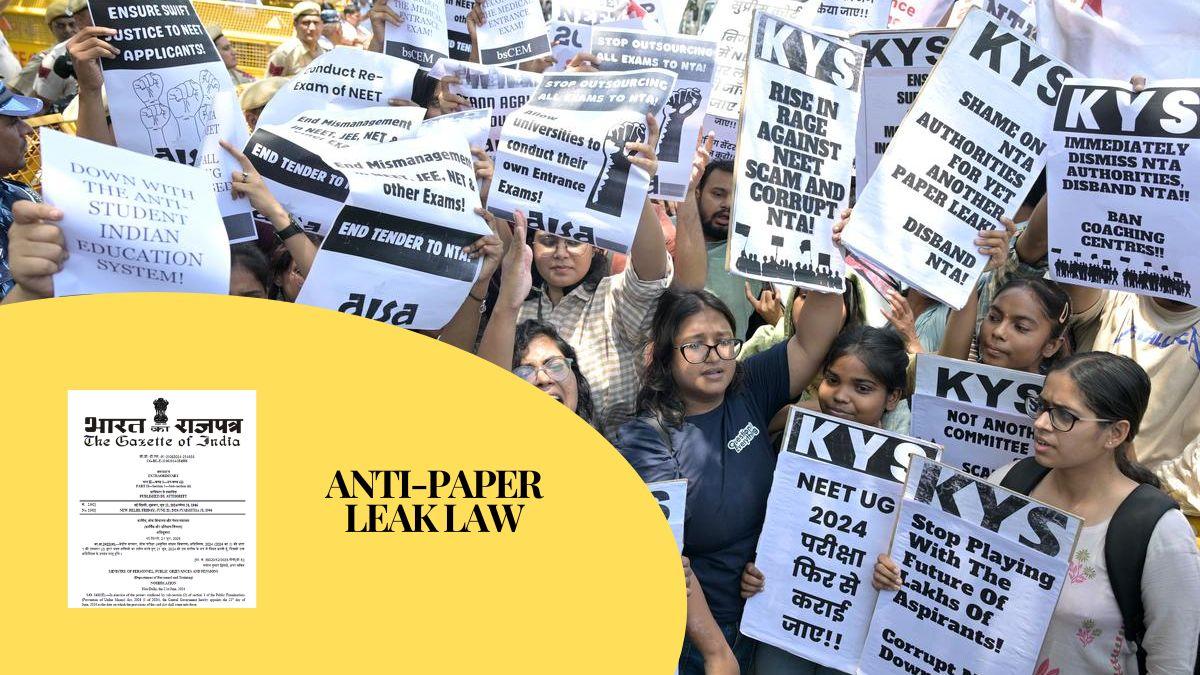
India's government today introduced a tougher anti-paper leak law in the Lok Sabha, proposing up to 10 years in jail and massive fines for those involved in exam malpractices, but the move was met with immediate uproar from opposition parties. They demanded accountability for alleged police brutality against student protesters, especially during the recent 'Sansad Chalo' march, before any legislative debate could proceed. This new bill comes after weeks of intense nationwide student protests over the NEET-UG 2026 paper leak, a scandal that even forced the Education Minister to resign just days ago. The Public Examinations (Prevention of Unfair Means) Amendment Bill, 2026, aims to strengthen an existing two-year-old law by setting up Special Fast Track Courts for speedy trials and imposing significantly higher penalties – up to ₹50 lakh for individuals and ₹10 crore for organised groups involved in leaks. The government hopes these stricter provisions will restore trust in public examinations, which have been plagued by irregularities, but the Opposition, backed by student movements like the Cockroach Janta Party (CJP), argues that legislative action cannot bypass the need for a statement on police action. The Lok Sabha Speaker, Om Birla, had to adjourn the House multiple times today amid the continuous protests. After much back-and-forth, a breakthrough seems to have been reached, with a lengthy debate on the Bill now slated for tomorrow, July 28, in the Lok Sabha. Key opposition leaders, including Rahul Gandhi, are expected to speak, turning this legislative push into a major political showdown. The government is under pressure to prove it's serious about exam reforms while also addressing public anger over the treatment of student protestors, setting the stage for a fiery parliamentary discussion.