India’s Russian oil imports rise in May
Context mode is active. Hover over any highlighted term to see its definition. Click a nested term to go deeper.
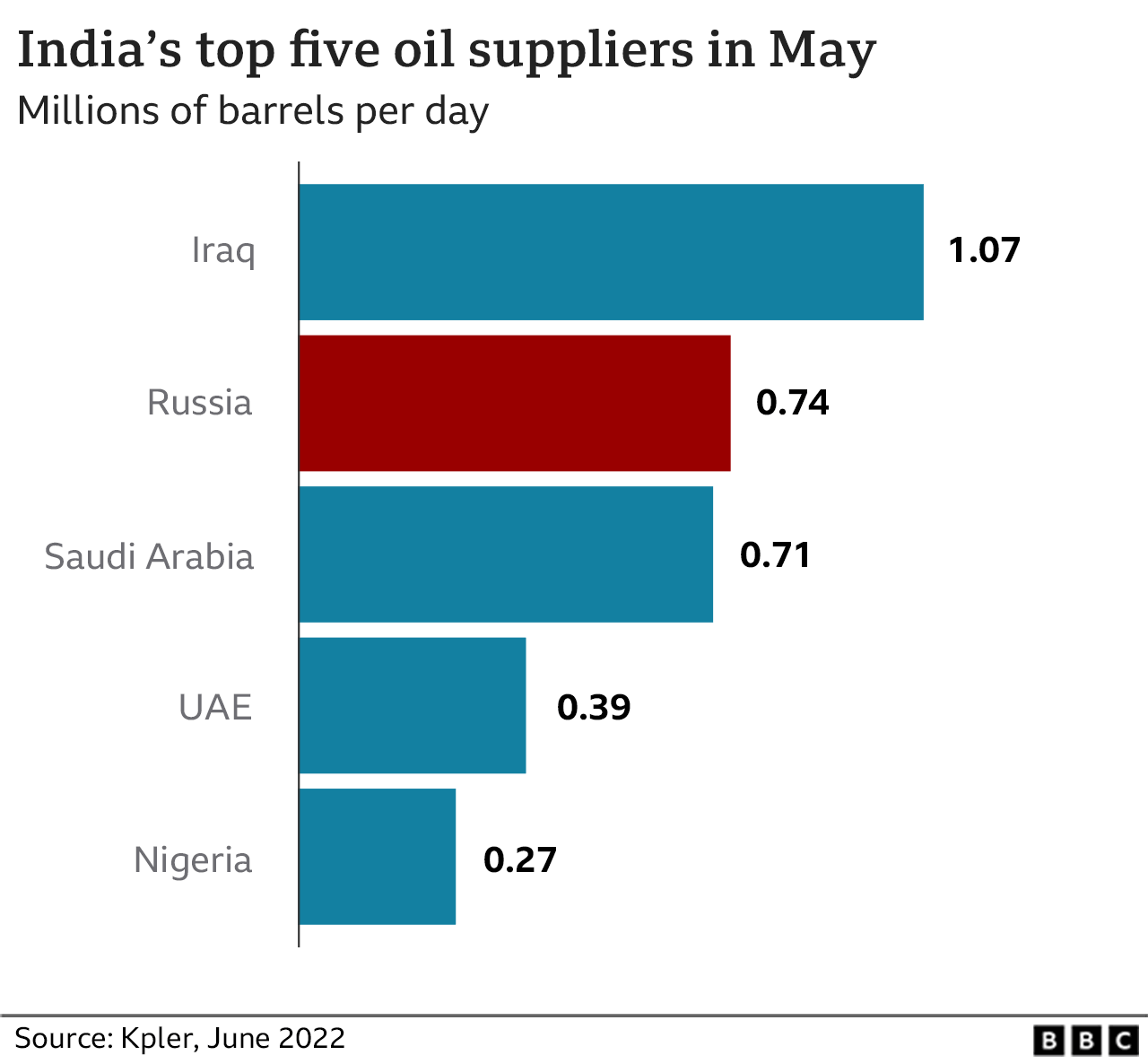
India imports of Russian fossil fuels surged in May 2026, making it the world's second-largest buyer, as domestic refiners significantly ramped up crude purchases despite persistent geopolitical pressures and Western sanctions. The Centre for Research on Energy and Clean Air (CREA) reports India imported an estimated EUR 5.8 billion (USD 6.7 billion) worth of Russian hydrocarbons, with crude oil comprising a dominant 83% of this total. This 21% month-on-month increase in Russian crude imports underscores New Delhi's strategic prioritization of discounted energy supplies amidst global market volatility. This surge comes as Ukraine intensified drone strikes on Russian oil infrastructure throughout May, notably impacting Russia crude output, which fell to its lowest in a year, and severely reducing refining capacity. Such disruptions are prompting Russia to redirect more crude to export markets, creating an opportunity for buyers like India to secure favorable terms, even as concerns about G7 price cap compliance persist. State-owned Indian refiners, including New Mangalore and Visakhapatnam, which had temporarily halted Russian imports in late 2025, resumed and expanded purchases from March through May, highlighting the continued economic attractiveness of these barrels over diversification efforts. Meanwhile, Indian refineries are also exporting significant volumes of oil products, some refined from Russian crude, to sanctioning countries including the EU, US, and Australia, further complicating the Western strategy to isolate Moscow. The immediate future will see India continuing to balance its energy security needs with ongoing diplomatic relations, likely pushing for robust local currency trade mechanisms like the rupee-ruble system to circumvent traditional banking sanctions. As global crude oil markets remain volatile and Western nations grapple with enforcing price caps without destabilizing supply, India role as a major intermediary in the Russian oil trade is unlikely to diminish soon. Observers will be watching for potential adjustments in G7 price cap enforcement and any shifts in India payment methods, which increasingly include non-dollar currencies like the UAE dirham and Chinese yuan to facilitate transactions.