India Tightens SIM Card Grip: Nine-Connection Limit Enforcement Begins August 24
Context mode is active. Hover over any highlighted term to see its definition. Click a nested term to go deeper.
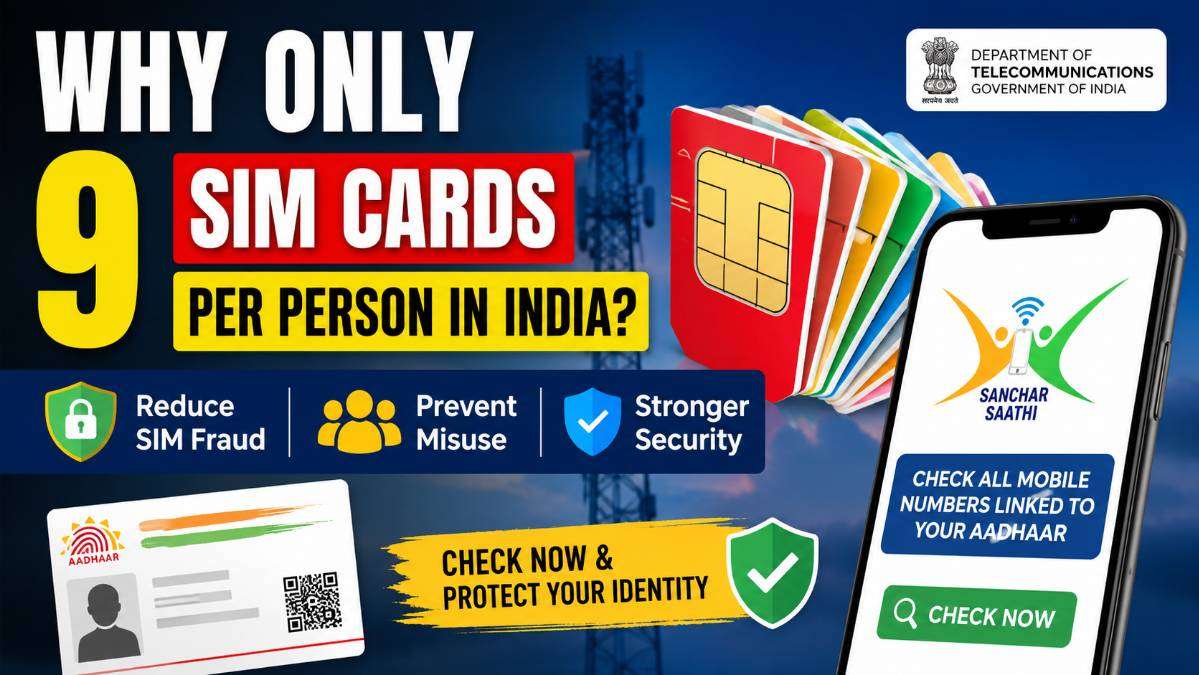
Starting August 24, 2026, India is rolling out stricter enforcement of its existing rule limiting individuals to a maximum of nine mobile connections across all telecom operators nationwide. This isn't a new regulation, but a critical push by the Department of Telecommunications (DoT) to crack down on telecom fraud and enhance national security. Telecom Service Providers (TSPs) must now actively identify and deny new SIM card to anyone exceeding this cap, with a lower limit of six connections in sensitive regions like Jammu and Kashmir, Assam, and the North-Eastern states. The government's move comes amid rising concerns over the misuse of multiple SIM card for fraudulent activities, including 'digital arrest' scams, identity theft, and other cybercrime. To bolster this enforcement, the DoT is leveraging its Digital Intelligence Platform (DIP), which helps TSPs cross-check subscriber data across different networks. From August 23, the DIP will even provide a representative photo of subscriber already at their limit, making it harder to bypass the checks. While initial checks might happen after a SIM is issued, the DoT has set a November 30, 2026 deadline for telcos to switch to a real-time verification system. Customers applying for new connections will also need to declare all their existing mobile numbers on the Customer Application Form (CAF), regardless of the operator. If an individual is found to have more than the permitted number, they might be asked to surrender, transfer, or disconnect the extra connections, with immediate, temporary suspension possible for connections activated beyond the limit. This stringent enforcement marks a significant step to fortify India's digital security landscape, making it tougher for fraudsters to operate, and ensuring every mobile connection is genuinely linked to its owner. Watch out for updates as telcos integrate these new, tougher systems.