India Unleashes 'GobarDhan' to Transform Waste into Billions in Clean Energy
Context mode is active. Hover over any highlighted term to see its definition. Click a nested term to go deeper.
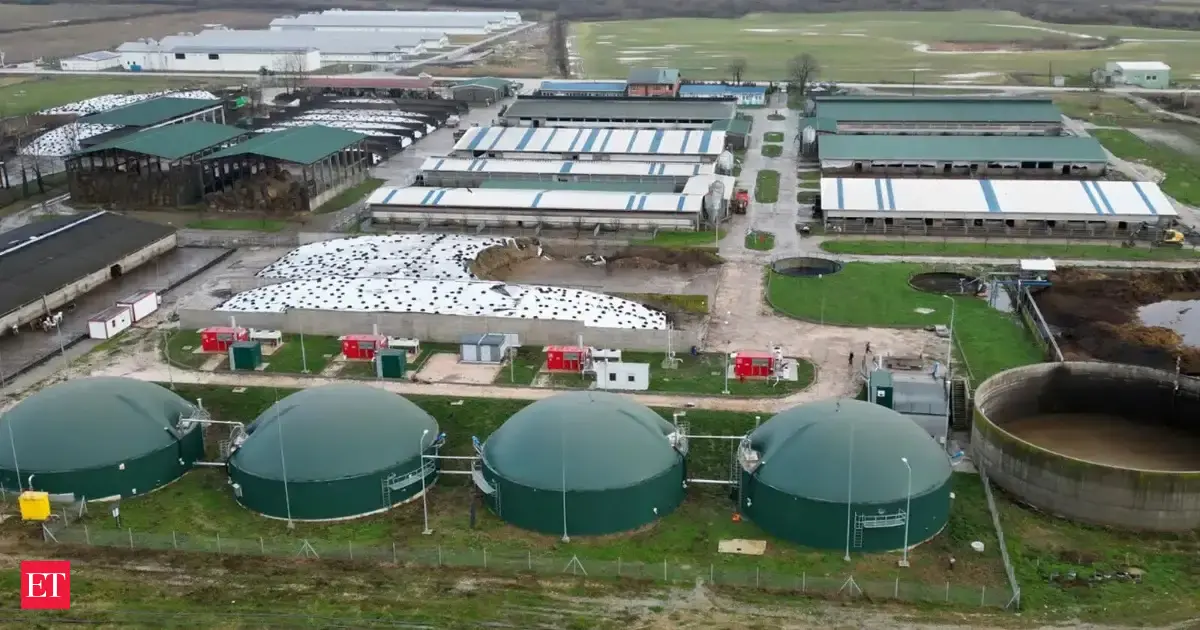
India is on the cusp of a major clean energy revolution, poised to unlock 62 million metric tonnes (MMT) of compressed biogas (CBG) annually, with animal waste emerging as the largest potential contributor. This massive potential is now getting a significant push with the Union Cabinet's approval of the GOBARdhan Scheme in August 2026, backed by a whopping INR 23,731 crore (nearly $2.49 billion) outlay, aiming to multiply domestic CBG production ten-fold over the next decade. This isn't just about gas; it's a strategic move to cut down on expensive imported fossil fuels and tackle pressing environmental issues like waste management and air pollution across the country. The GOBARdhan scheme drastically reshapes the landscape for CBG producers by introducing a mandatory CBG Offtake framework. This means City Gas Distribution (CGD) entities are now legally required to blend CBG into their supply, starting at 3% in FY 2026-27 and escalating to 5% by FY 2028-29. This crucial policy shift moves beyond the previous voluntary purchasing model under the SATAT scheme, providing a predictable and long-term demand signal that was desperately needed for project viability and attracting private investment. Coupled with capital assistance, stable pricing, and excise duty exemptions, GOBARdhan aims to overcome past hurdles like unreliable feedstock supply and financing challenges. While India currently has only around 217 operational CBG plants out of a much larger projected number, this new, unified national framework is set to accelerate plant development and bring thousands more online. The scheme's focus on diverse feedstock sources like cattle dung, agricultural residues, and municipal solid waste will not only produce clean fuel but also generate Fermented Organic Manure (FOM), boosting rural income and soil health. The market is now ripe for entrepreneurs and investors, but successful execution will still hinge on efficiently managing feedstock aggregation and leveraging the robust policy support to truly build a vibrant circular bio-economy across India.