Indian Parliament Stalls Amidst Fierce Opposition Protests Over NEET Exam Scandal
Context mode is active. Hover over any highlighted term to see its definition. Click a nested term to go deeper.
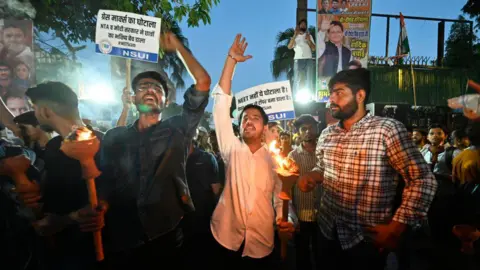
India's Parliament has been effectively paralyzed for three consecutive days of its critical Monsoon Session, as a united Opposition, led by the Congress and various allies, has relentlessly protested over the explosive NEET exam paper leak scandal and the subsequent police crackdown on student demonstrators. Both the Lok Sabha and Rajya Sabha faced repeated adjournments, with Opposition MPs demanding immediate debate and the resignations of Education Minister Dharmendra Pradhan and Home Minister Amit Shah. The political deadlock deepens amidst the ongoing outrage over alleged irregularities in the National Eligibility cum Entrance Test (NEET), a crucial medical entrance exam, which led to its re-examination and a shift to a Computer-Based Test for future iterations. Prime Minister Narendra Modi has publicly condemned the paper leak as a 'grave sin,' assuring strict action, with investigations underway and over 13 arrests made. However, the Opposition, including key figures like Rahul Gandhi and Priyanka Gandhi Vadra who were detained during protests near the Prime Minister's residence, contends that the government's response is insufficient and politicized, demanding accountability for police action against student bodies like the 'Cockroach Janta Party' (CJP). As the Monsoon Session enters its fourth day, the stalemate shows no signs of resolution, with Opposition members donning black in Parliament to signify their protest. The government maintains its readiness for a parliamentary discussion on NEET, but the Opposition insistence on ministerial resignations and a comprehensive judicial inquiry continues to obstruct legislative business. All eyes are now on whether a compromise can be reached to allow Parliament to function, or if the student-centric protests will continue to reverberate through the nation's political corridors, potentially shaping future educational reforms and political discourse.