Indian Railways Accelerates Green Hydrogen Train Fleet, Eyes Cheaper Fuel Options
Context mode is active. Hover over any highlighted term to see its definition. Click a nested term to go deeper.
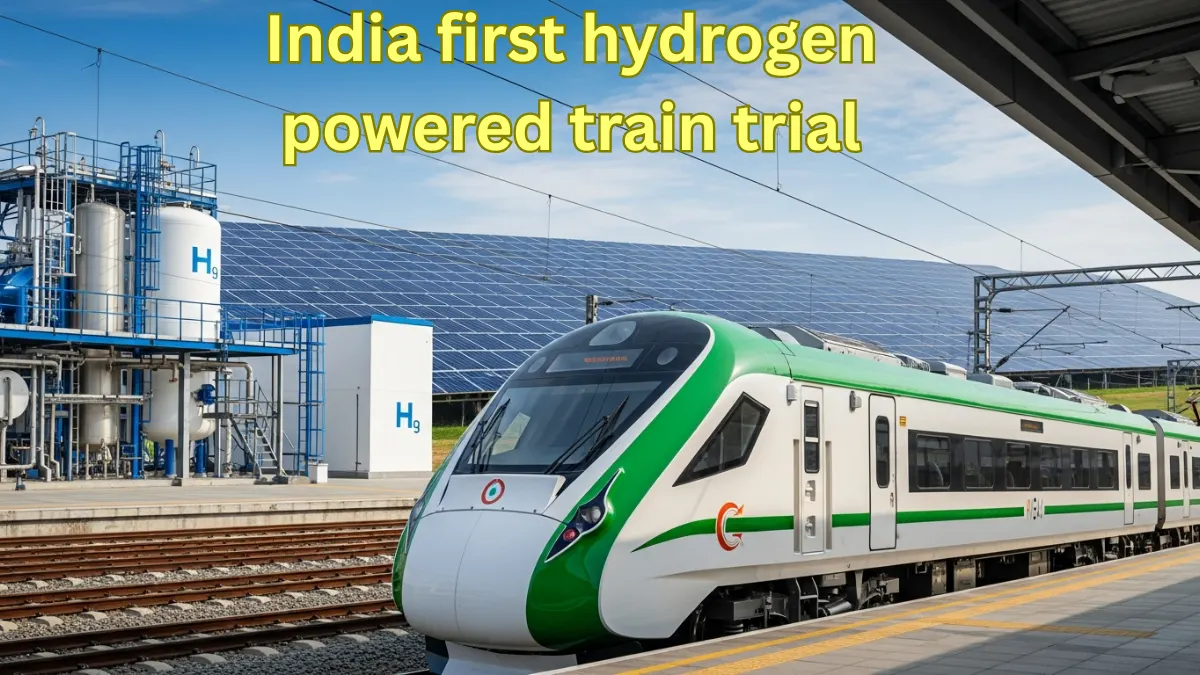
Indian Railways is pushing hard to make its ambitious fleet of 35 hydrogen-powered trains a reality, actively seeking ways to slash the cost of green hydrogen. Just weeks after Prime Minister Narendra Modi flagged off India's first domestically built hydrogen train in July 2026, the railway network is strategizing to expand its supplier base and offer long-term 'offtake assurances' to producers, aiming to bring down procurement expenses for this cutting-edge, eco-friendly fuel. This aggressive push aligns perfectly with India's broader climate goals, particularly the National Green Hydrogen Mission and Indian Railways' own target of becoming a 'Net Zero Carbon Emitter by 2030.' The initial deployment focuses on picturesque heritage and hilly routes where electrification is challenging, leveraging hydrogen fuel cell technology that emits only water vapor. While the first train is already operational on the Jind-Sonipat section, the significant hurdle remains the high cost of producing, storing, and refueling green hydrogen, which currently makes these trains more expensive to operate than traditional diesel or electric models. Looking ahead, Indian Railways is exploring various options, including government incentives for electrolyzer manufacturing and green hydrogen production under the National Green Hydrogen Mission, which has an outlay of over Rs 17,000 crore through 2029-30. Success in driving down costs and scaling infrastructure will be critical for wider adoption beyond the initial 35 trains and for India to truly establish itself as a global leader in green hydrogen production and sustainable transport. The progress made on price discovery, like the recent tender for Rs 279 per kg, suggests that affordable green hydrogen is becoming a more realistic prospect for India's railway future.