Indian Regulator Scrutinizes Khavda-Bhuj Transmission's Renewable Energy Tariff Amid Cost Overruns
Context mode is active. Hover over any highlighted term to see its definition. Click a nested term to go deeper.
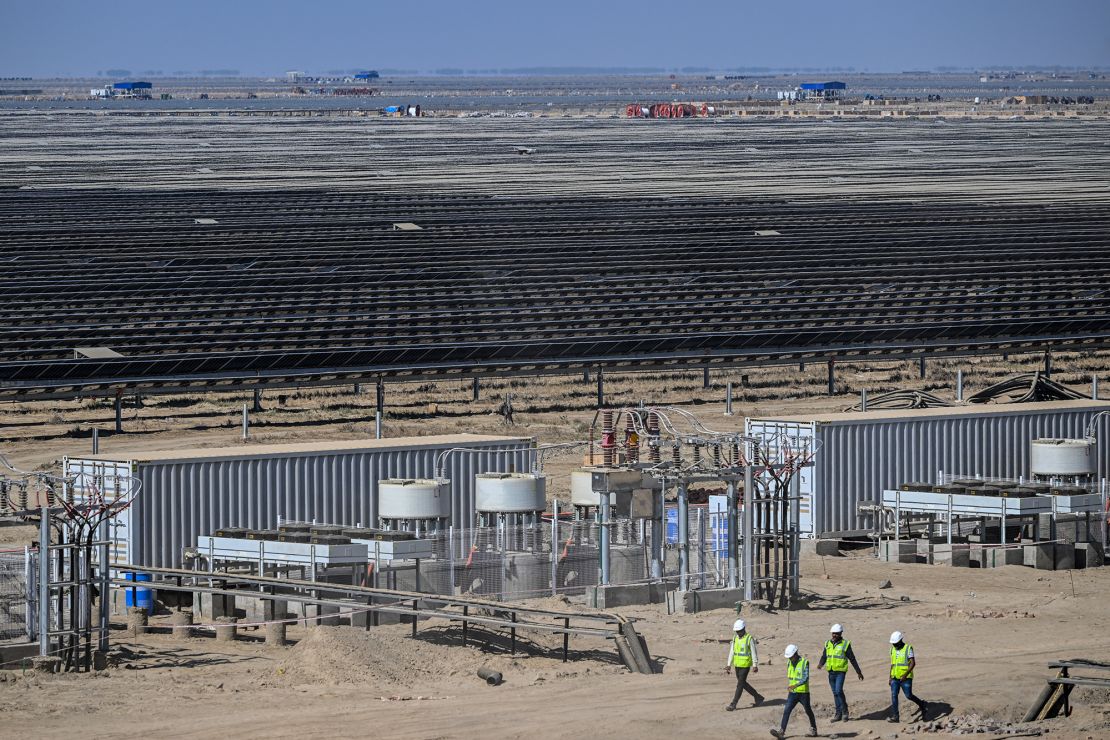
India's power sector is buzzing as the Central Electricity Regulatory Commission (CERC) digs deep into the proposed capital cost and transmission tariff for Khavda-Bhuj Transmission Limited (KBTL), a crucial player in evacuating renewable energy from Gujarat. With a pivotal hearing set for November 10, 2026, the regulatory body is scrutinizing significant cost overruns and tax rate discrepancies claimed by KBTL for the 2024-29 tariff period. KBTL, a company now fully owned by Adani Energy Solutions Limited, is at the heart of transmitting green power from the massive Khavda Renewable Energy Zone in Gujarat, a key area for India's ambitious clean energy targets. CERC has specifically flagged a 126.38% increase in estimated completion cost for one project and a 22.69% hike for another, both well above the estimates from Central Transmission Utility of India Limited (CTUIL). Furthermore, the regulator is questioning KBTL claimed 22% Minimum Alternate Tax (MAT) rate, pointing to lower actual rates for recent financial years. The outcome of these proceedings will have major ripple effects. CERC has directed all parties, including respondents like CTUIL and Madhya Pradesh Power Management Company Limited (MPPMCL), to submit detailed replies and justifications before the upcoming hearing. The final determination of capital cost and transmission tariff will not only shape KBTL financial outlook but also influence the cost of renewable power for millions and set a precedent for future infrastructure development in India's rapidly expanding green energy landscape.