India's Bullet Train Races Towards 2027 Launch, Bolstered by New Chip Plant & Urban Upgrades
Context mode is active. Hover over any highlighted term to see its definition. Click a nested term to go deeper.
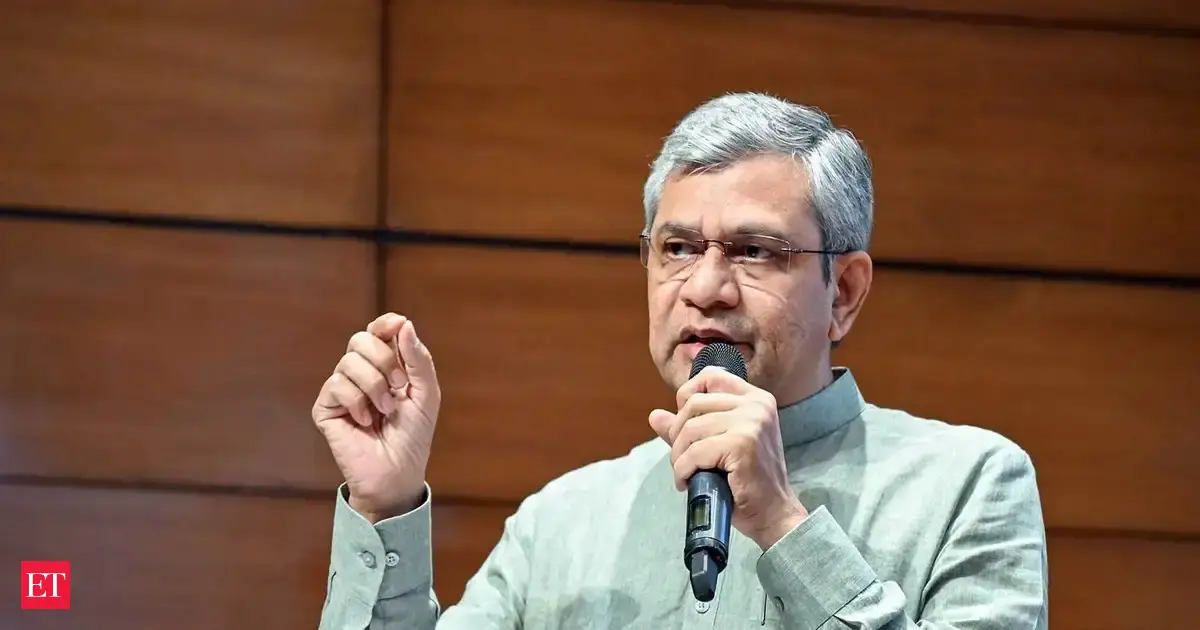
India's ambitious Mumbai-Ahmedabad Bullet Train project is now 80% complete, with its first operational stretch, the Surat to Bilimora section, set to open in 2027. Union Minister Ashwini Vaishnaw confirmed this significant progress today, coinciding with the inauguration of India's third semiconductor factory in Sanand, Gujarat, marking a dual leap in national infrastructure and technological self-reliance. This rapid advancement signals a major push in connecting key economic hubs and boosting domestic manufacturing capabilities across the nation. The nearly 508-km high-speed rail corridor, leveraging advanced Japanese Shinkansen technology, aims to drastically cut travel time between Mumbai and Ahmedabad to under two hours, promising a major economic uplift and enhanced connectivity. The launch of the third semiconductor factory is part of India's aggressive 'Semiconductor Mission,' with two plants already active and a fourth expected by year-end, positioning the country as a burgeoning global chip manufacturing hub. Further solidifying this development drive, Minister Vaishnaw also unveiled five key infrastructure upgrades for Ahmedabad, including major redevelopments for its urban transport and rail networks. With the Surat to Bilimora section anticipated to welcome passengers by 2027, the entire Mumbai-Ahmedabad corridor is projected to be fully operational by the end of 2029. Moreover, critical underground tunnel work, including a challenging 7-km undersea section near Mumbai's Bandra Kurla Complex (BKC), is commencing, showcasing the complex engineering efforts involved. These integrated projects underscore India's commitment to modernizing its infrastructure and building a robust domestic technology ecosystem, setting the stage for future high-speed rail expansions and greater self-sufficiency in critical technologies.