India's Chip Ambitions Soar: $12 Billion Pledged for Semicon 2.0 Ecosystem Push
Context mode is active. Hover over any highlighted term to see its definition. Click a nested term to go deeper.
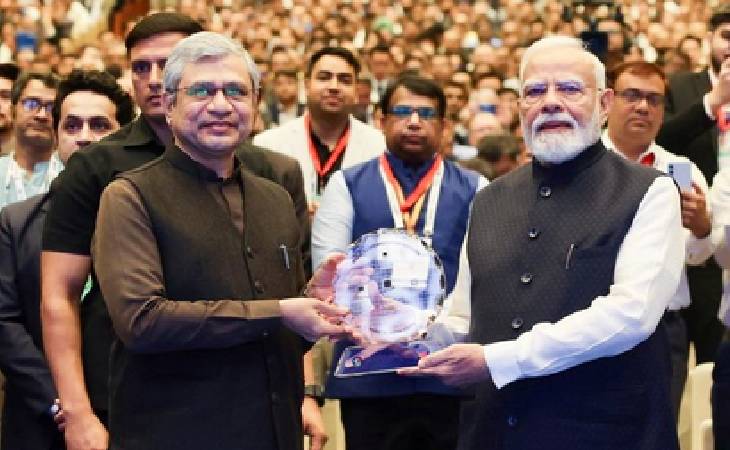
India has just secured a massive $11-12 billion in investment commitments for its ambitious Semicon 2.0 program, Union Electronics and IT Minister Ashwini Vaishnaw announced on Thursday. This significant influx of capital marks a crucial step in India's journey to establish itself as a formidable player in the global semiconductor manufacturing landscape and is projected to create over one lakh (100,000) new jobs across the ecosystem. The announcement came during the ongoing SEMICON India 2026 event in New Delhi, where global chip giants like Applied Materials and Lam Research unveiled substantial expansion plans in the country. Applied Materials pledged $5 billion over the next decade for a new research park and R&D, while Lam Research committed ₹10,000 crore (approximately $1.2 billion) for its first silicon component manufacturing facility. These commitments highlight a strategic shift to build a comprehensive domestic ecosystem, moving beyond just chip assembly to encompass design, equipment, materials, and advanced packaging, all driven by the India Semiconductor Mission (ISM) and attractive Production Linked Incentive (PLI) Scheme. With Prime Minister Narendra Modi declaring that 'India's chips will go out to the world,' the focus now intensely shifts to converting these pledges into tangible projects, especially full-fledged fabrication plant. The government is actively nurturing a robust semiconductor value chain, backed by an expanded capital outlay of ₹1,27,500 crore for Semicon 2.0 and plans to train a talent pool of 100,000 skilled individuals. As the world grapples with persistent chip shortages and seeks diversified global supply chains, India aims to accelerate its journey to become a trusted, resilient, and major global chipmaking destination.