India's Climate Crisis: Unchecked Development Fuels Deadly Disasters From Himalayas to Kerala
Context mode is active. Hover over any highlighted term to see its definition. Click a nested term to go deeper.
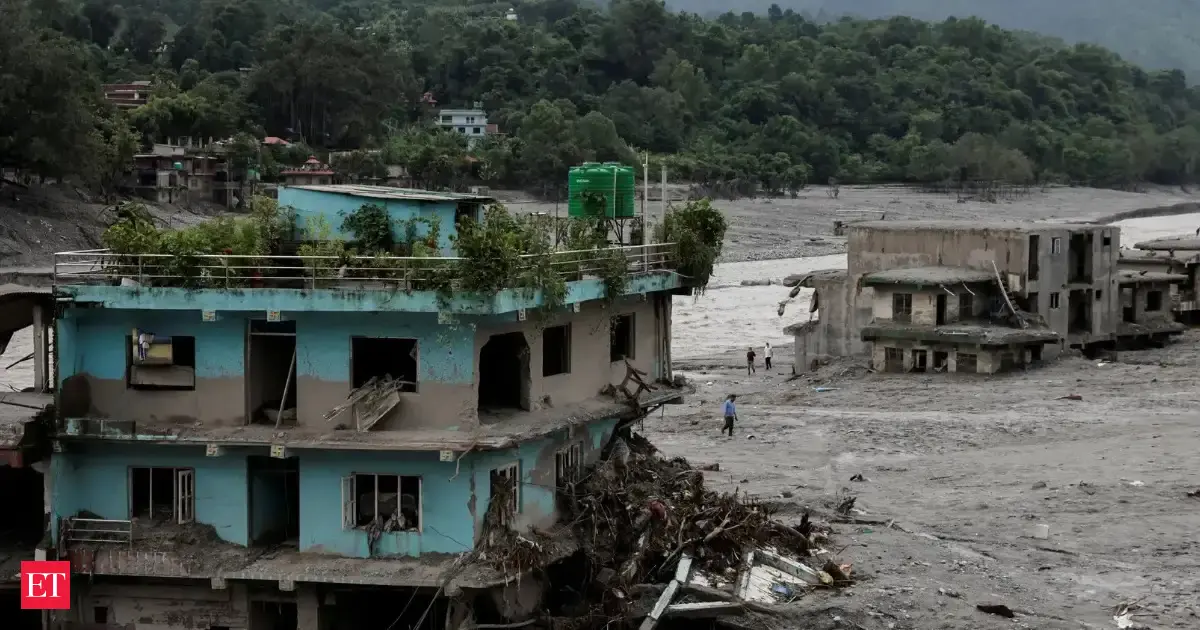
A catastrophic glacier-and-bedrock collapse on August 26, 2026, near the Nepal-China border unleashed devastating flash floods down Nepal's Lhende Khola and Trishuli River valleys, killing over 1,000 people and leaving thousands missing, while also destroying critical infrastructure. This tragedy, registering as a magnitude 5.2 seismic event, serves as a stark warning of the rapidly escalating risks faced by the entire Himalayan region. This isn't an isolated incident; India is grappling with similar, intensified disasters, from the deadly Assam floods in July-August 2026 that displaced over 500,000 and claimed nearly 100 lives, to the recent Wayanad landslides in Kerala that killed eight workers on July 7, 2026. Across these regions, climate change is undeniably amplifying extreme weather events, but the human toll is worsened by unchecked development – poorly planned infrastructure, rampant deforestation, and construction in ecologically fragile and disaster-prone areas. Experts point out that decades of warnings, like those from the Gadgil Committee regarding Kerala's Western Ghats, have been largely ignored, leaving communities vulnerable. The immediate challenge involves improving early warning systems and rescue operations, especially with the ongoing El Niño phenomenon predicted to bring more erratic weather until early 2027. Looking ahead, India urgently needs to move beyond reactive disaster relief towards robust, climate-resilient development. This means integrating environmental safeguards into all infrastructure planning, enforcing stricter regulations on construction in vulnerable zones, and fostering greater regional cooperation on hazard monitoring across the Himalayan states. The human and economic costs of continued inaction are simply too high.