India's E20 Fuel Program: Centre Calls It An 'Experiment' In Supreme Court
Context mode is active. Hover over any highlighted term to see its definition. Click a nested term to go deeper.
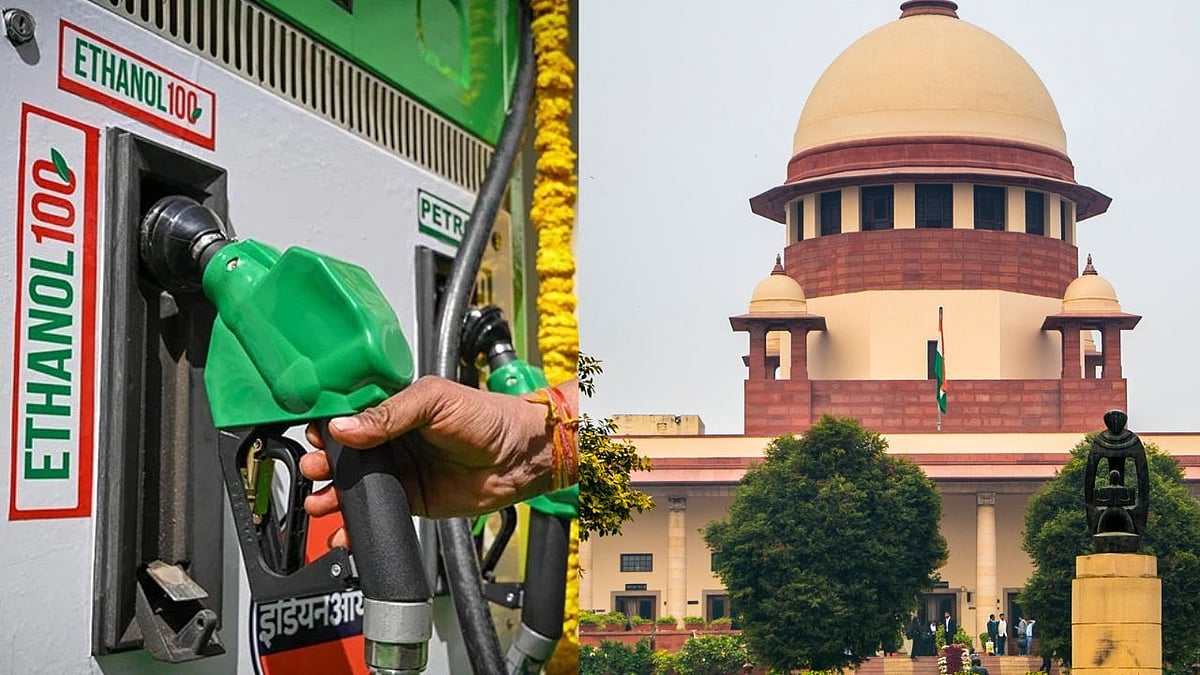
In a significant development before the Supreme Court, India's Centre has stated that its ambitious nationwide E20 fuel programme is still an 'ongoing experiment,' with its full impact expected to become clear only by 2027. This revelation came during a hearing concerning ethanol allocation, where the government defended the policy, highlighting its aims to drastically reduce crude oil imports, enhance energy security, boost farmers' income, and cut down vehicular emissions. The government's stance emerged amid a petition filed by Bharat Petroleum Corporation Limited (BPCL) challenging a Karnataka High Court order related to ethanol allocation for the 2025-26 Ethanol Supply Year. While the Centre has already achieved its 20% ethanol blending target ahead of schedule in 2025-26 and rolled out E20 fuel nationally from April 1, 2026, the ongoing evaluation acknowledges concerns around mileage reduction and potential impact on older vehicles. Despite these, officials have consistently maintained that there's no conclusive scientific evidence linking E20 fuel to mechanical damage in compatible vehicles, emphasizing its global acceptance and multifaceted benefits. Looking ahead, the government has set an even more ambitious E30 target by 2030, indicating a continued push towards higher ethanol integration. The Supreme Court has directed parties to maintain a 'status quo' on the Karnataka High Court order, suggesting a cautious approach to avoid disrupting the national blending roadmap. The coming year will be crucial as the 'experimental' findings guide future policy adjustments and infrastructure development, particularly for flex-fuel vehicles, to ensure a smoother transition for India's massive vehicle parc.