India's Green Surge: Renewables Hit 20% of Power, Grid Faces New Challenges
Context mode is active. Hover over any highlighted term to see its definition. Click a nested term to go deeper.
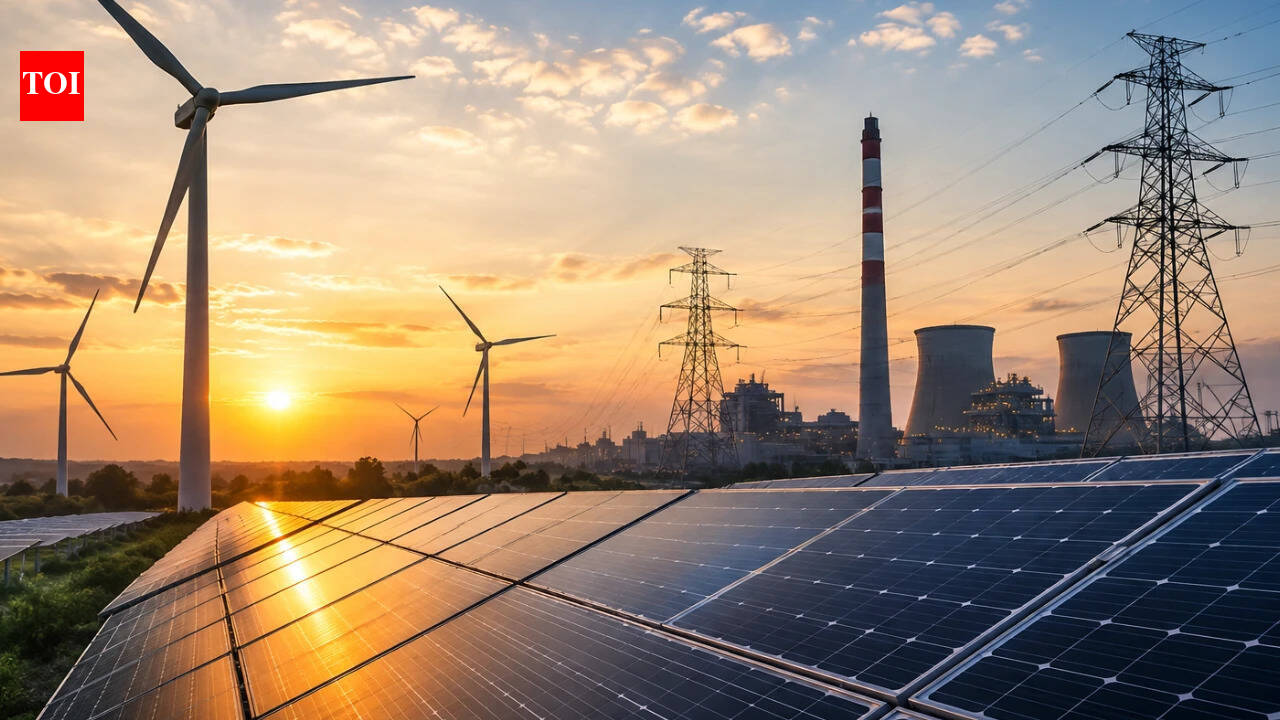
India just hit a major clean energy milestone, with renewable sources contributing almost 20% of the country's total power generation in July 2026. This impressive leap, a more than 30% increase from last year, saw 36,355 megawatts generated from solar, wind, and biomass, according to data from Grid India. It's a clear sign that India's aggressive push away from fossil fuels is starting to pay off, moving closer to its ambitious climate goals. However, this green surge comes with a significant challenge: managing the grid. Despite the growth in renewables, thermal power, mainly coal, still provides the backbone, making up 66% of total generation in July, even as peak power demand soared past 270 gigawatts due to hot weather and the El Nino effect. This creates a tricky balancing act for the power system, especially with issues like curtailment, where huge amounts of clean power—over 8,133 GWh of solar alone between April and June 2026—are simply switched off because the existing grid infrastructure cannot handle it. Looking ahead, India's energy transition hinges on smarter solutions and quicker infrastructure upgrades. The government is rolling out new schemes like the Pradhan Mantri Surya Sarovar Yojana for floating solar projects with storage, and boosting rooftop solar through PM-Surya Ghar. But to truly harness its renewable potential and avoid costly energy waste, India desperately needs to modernize its power grid, invest heavily in battery energy storage systems, and improve grid integration technologies like LVRT and HVRT. This will be key to ensuring reliable, 24/7 clean energy, especially as new demands from sectors like AI data centers emerge.