India's GST Council Gears Up for Landmark Reforms, Boosting Business Confidence
Context mode is active. Hover over any highlighted term to see its definition. Click a nested term to go deeper.
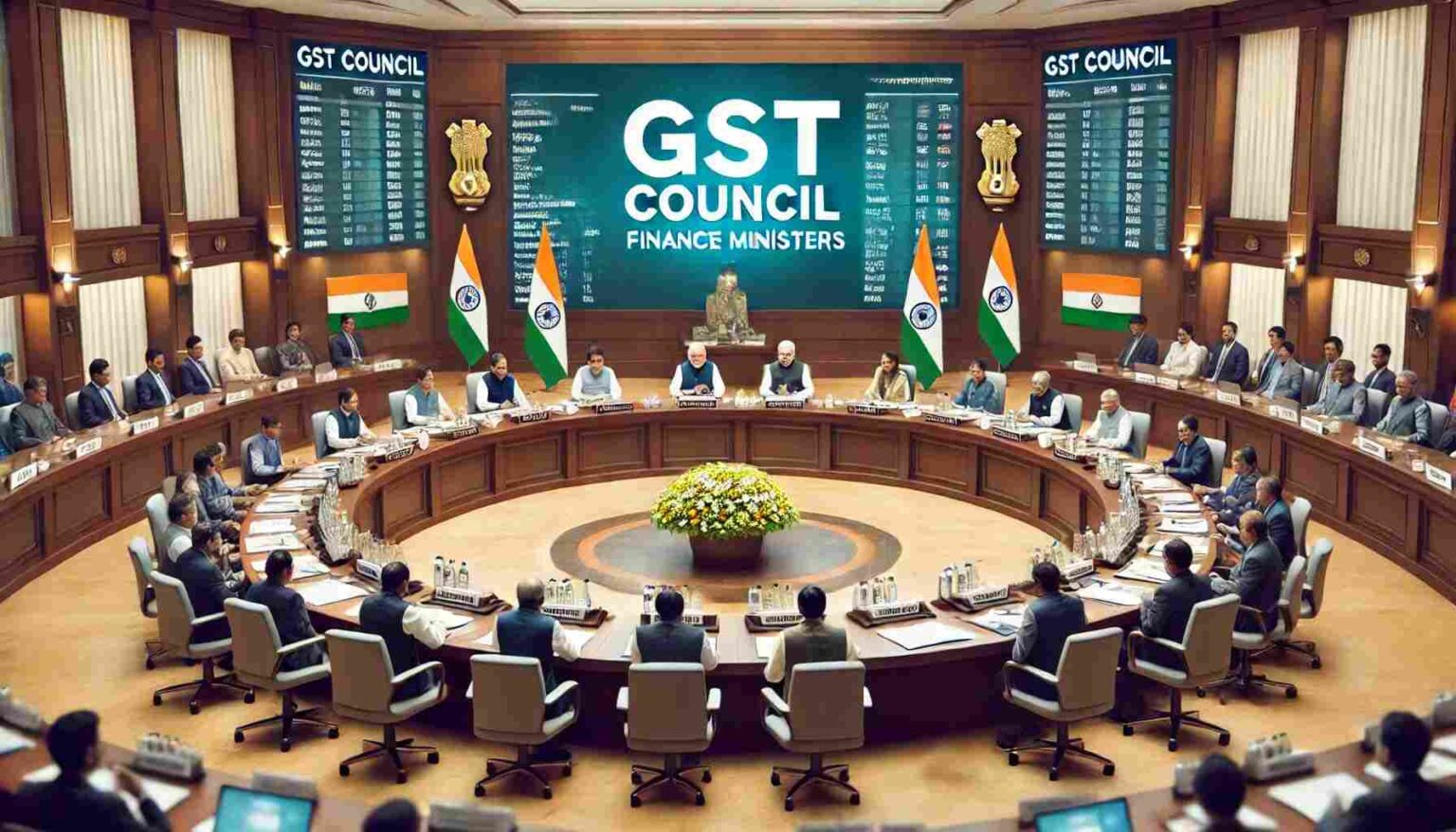
India's businesses are on the cusp of significant relief as the GST Council, led by Union Finance Minister Nirmala Sitharaman, convenes on October 8, 2026, for its 57th meeting, poised to usher in a wave of pro-business reforms. The highly anticipated 'GST 2.0' agenda focuses heavily on easing compliance and unlocking crucial capital, promising a more streamlined and less intimidating tax landscape across the nation. This meeting has already seen two postponements, highlighting the gravity and detailed deliberation involved in these crucial discussions. The centerpiece of these proposed changes includes allowing refunds on accumulated Input Tax Credit (ITC) for input services and capital goods, a major shift from the current system that largely restricts such benefits to raw materials. This move is expected to significantly improve the cash flow for manufacturers and capital-intensive sectors like semiconductors, potentially releasing 2-4% of their working capital. Furthermore, the Council will deliberate on decriminalizing several GST offenses, potentially removing arrest powers for tax officers and raising the prosecution threshold, a long-standing demand from the industry to foster a truly business-friendly environment. While refunds on input services could roll out this fiscal year, those for capital goods may be phased in from April 2027 over five years, indicating a gradual but impactful implementation. Businesses are also keenly watching for a provisional refund mechanism, which could see 90% of eligible claims processed within seven days after automated risk checks. With a shift towards a more automated, data-driven, and risk-based GST system, the upcoming reforms aim to reduce compliance burdens, expedite refunds, and minimize disputes, marking a critical evolution in India's indirect tax framework.