India's IPO Market Rises From Slump, Foreign Funds Pour In Despite Global Risks
Context mode is active. Hover over any highlighted term to see its definition. Click a nested term to go deeper.
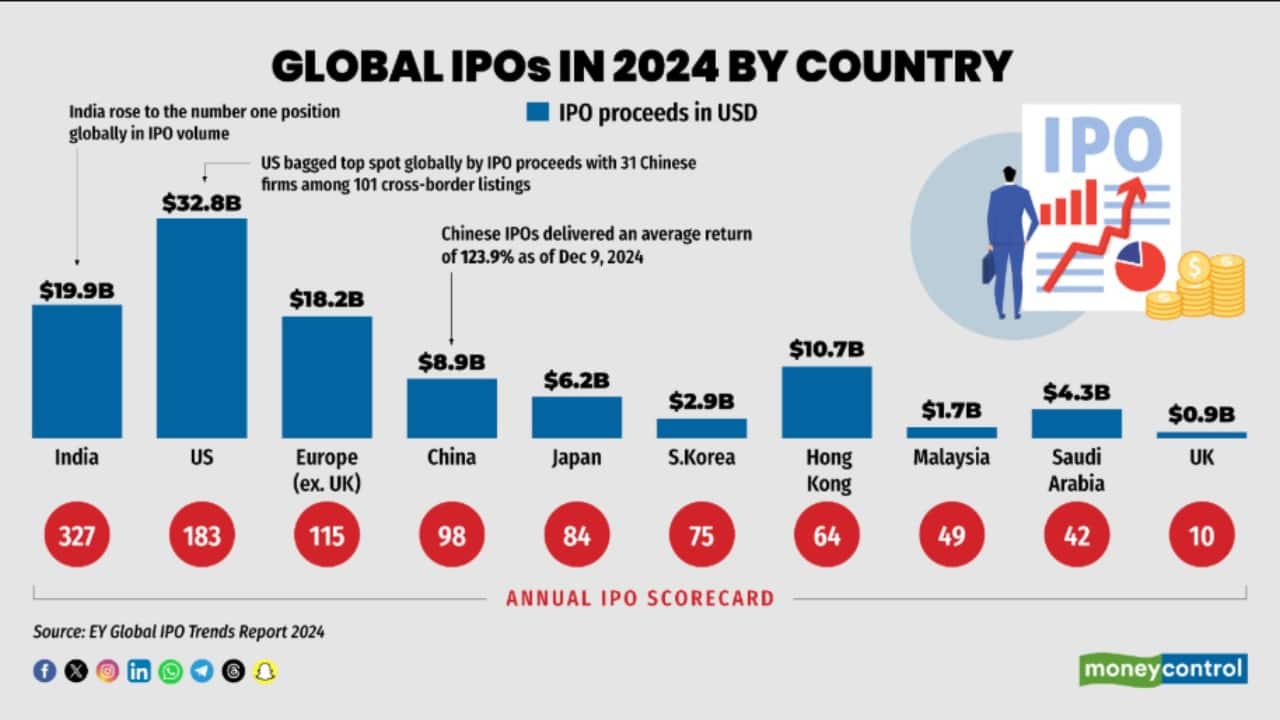
India's primary market, where companies first offer their shares to the public, is finally shaking off a tough start to 2026, fueled by a welcome return of foreign funds. After months of shying away, Foreign Portfolio Investors (FPIs) have poured over ₹17,227 crore into Indian equities this July, signaling renewed confidence in the nation's growth story even as global uncertainties linger. This surge follows a crucial intervention by the Securities and Exchange Board of India (SEBI) in April, which extended the validity of IPO approval letters, giving companies much-needed breathing room to launch their public issues. The first half of the year saw several companies hit pause on their Initial Public Offering (IPO) due to global macroeconomic jitters, particularly the ongoing West Asia conflict, and cautious investor sentiment. SEBI move to extend the 'observation letter' until September 30, 2026, was a direct response to these challenges, preventing firms from having to restart their lengthy regulatory processes. Now, with a robust pipeline of major IPO like Jio Platforms and the National Stock Exchange expected in the second half, alongside increased pre-IPO placement activity, the market is buzzing with anticipation, driven significantly by institutional money. However, the path ahead isn't entirely smooth. The escalating conflict in West Asia continues to push crude oil prices higher, posing a potential threat to India's economic stability and future FPI inflows. While domestic institutional and high net-worth investors have largely kept the market afloat, the sustainability of this revival hinges on global stability, a consistent rupee, and how effectively India manages external economic pressures. All eyes are now on the upcoming IPO and the trajectory of global events to see if this budding recovery can truly flourish.