India's Manufacturing Sector Sees Growth Amid Rising Input Costs
Context mode is active. Hover over any highlighted term to see its definition. Click a nested term to go deeper.
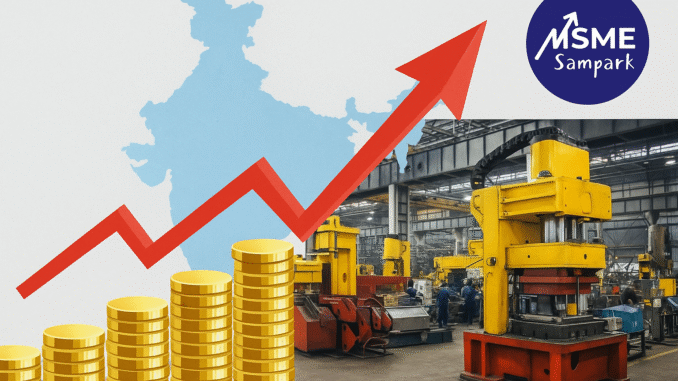
India's manufacturing sector roared to a three-month high in May 2026, with the Purchasing Managers' Index (PMI) hitting 55.0, signaling robust expansion driven by surging demand for intermediate and capital goods. This accelerated growth comes despite persistent inflationary headwinds from escalating input costs, largely exacerbated by the protracted Middle East conflict. The unexpected strength in new orders and the resulting job creation underscore a resilient domestic demand environment, even as manufacturers grapple with elevated expenditures on energy and raw materials. This precarious balancing act between growth momentum and cost pressures sets a complex stage for the Reserve Bank of India, which has been closely monitoring price stability while supporting economic recovery. The current geopolitical landscape in the Middle East continues to keep global commodity markets volatile, directly translating into higher operating costs for Indian industries. Looking ahead, the sector's optimism remains high, yet the sustainability of this growth hinges on the moderation of global commodity prices and the RBI upcoming monetary policy stance. The Monetary Policy Committee is set to convene next month, facing the tough decision of whether to prioritize inflation control or further stimulate a burgeoning economy. Businesses will be watching closely for signals on interest rates and liquidity, which could determine their investment strategies for the latter half of 2026.