India's Monsoon Misery: Sowing Slumps, Reservoirs Dwindle Amid El Niño Threat
Context mode is active. Hover over any highlighted term to see its definition. Click a nested term to go deeper.
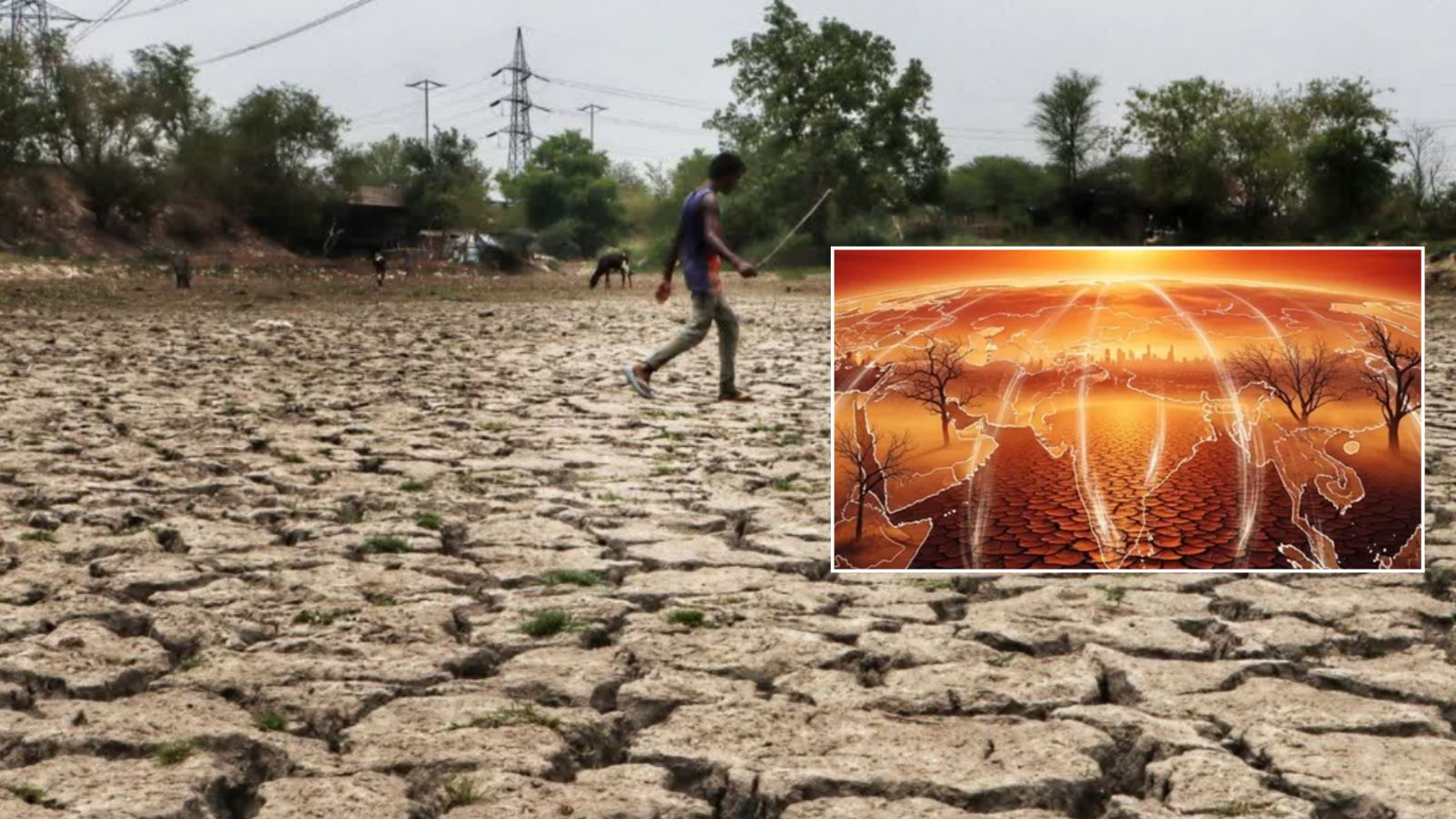
India's critical Kharif sowing season is facing a grim start, with planting activities lagging a significant 21% behind last year's pace as of early July, primarily due to an ongoing monsoon deficit. Farmers have cultivated crops across just 350.85 lakh hectares so far, a sharp drop from 442.80 lakh hectares in the same period last year. Oilseeds, including soybean and groundnut, and cotton have borne the brunt of this slowdown, seeing the steepest declines in acreage. The sluggish monsoon, heavily influenced by strengthening El Niño conditions, has kept the country's cumulative rainfall 28% below average as of July 5, despite some recent improvements from an earlier 45% deficit. This has exacerbated concerns over India's water security, with 166 major reservoirs now holding only 26% of their total capacity – a worrying 61% of last year's levels. This dire situation raises fears of higher food inflation, potentially pushing it to 5.1% in the fiscal year 2027, and a significant hit to rural demand, impacting millions of livelihoods. With the India Meteorological Department forecasting below-normal rainfall for July, a traditionally wet month, the coming weeks are crucial for a potential turnaround. While some regions have seen improved rainfall, the uneven distribution and the prevailing El Niño conditions mean the agricultural outlook remains precarious. The government is closely monitoring the situation, but sustained and widespread rainfall is desperately needed to avoid a deepening crisis for agricultural output and the broader rural economy.