India's Monsoon Takes Worrying Break: El Niño Deepens Dry Spells, Threatens Crops
Context mode is active. Hover over any highlighted term to see its definition. Click a nested term to go deeper.
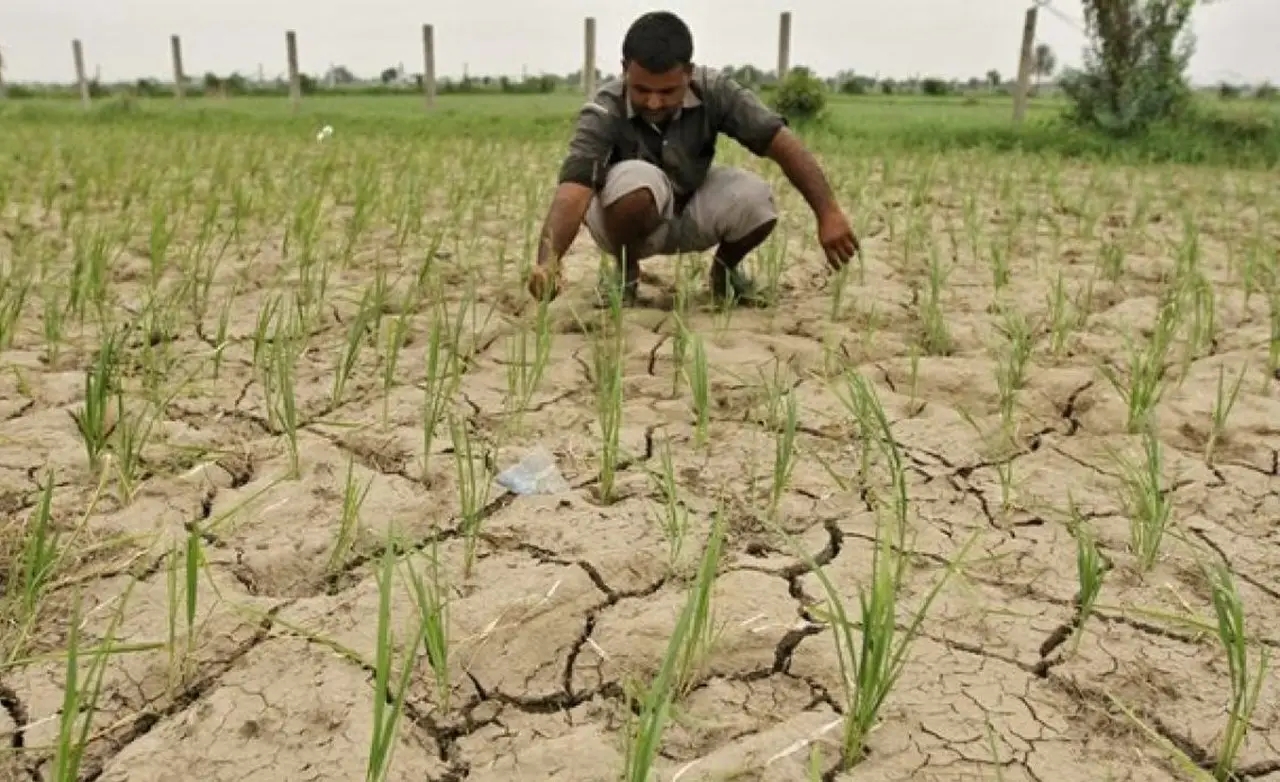
India's lifeblood, the Southwest Monsoon, has once again hit a concerning 'break phase' in mid-July, after an initial surge of heavy rains saw it cover the entire country just a week ago. This latest pause has pushed national rainfall to a 23% deficit for the season so far, leaving vast agricultural regions, especially in central and peninsular India, struggling with significantly less rain than needed. The India Meteorological Department (IMD) warns this week-long dry spell will affect northwest, central, and peninsular regions, with widespread rains only expected to return around July 19-20. The current stop-start pattern is largely driven by a strengthening El Niño in the Pacific Ocean, which is known to reduce monsoon rainfall over India and is set to intensify further, potentially becoming one of the strongest events since 1950. Adding to the complexity, the crucial Monsoon Trough has shifted towards the Himalayan foothills, drying out the plains, while the Madden-Julian Oscillation (MJO) and a neutral Indian Ocean Dipole (IOD) are not helping. This variability, amplified by climate change, means that while some areas face drought-like conditions, others, like parts of Mumbai and Uttarakhand, have recently seen intense, damaging downpours and floods, showcasing a troubling paradox. The immediate concern is the severe impact on Kharif Crops; sowing is already down 16% compared to last year as farmers delay planting, worried about long dry spells affecting delicate young plants. Lower Reservoir Levels are also ringing alarm bells, hinting at potential water shortages later in the season if the rains don't pick up soon. With El Niño expected to sharpen rainfall breaks and extend into early 2027, the coming weeks will be critical to see if new weather systems can revive the monsoon, or if India will face prolonged water and food price pressures from this increasingly erratic weather.