India's 'NaMo Green Rail' Takes Flight: Modi Flags Off First Hydrogen Train
Context mode is active. Hover over any highlighted term to see its definition. Click a nested term to go deeper.
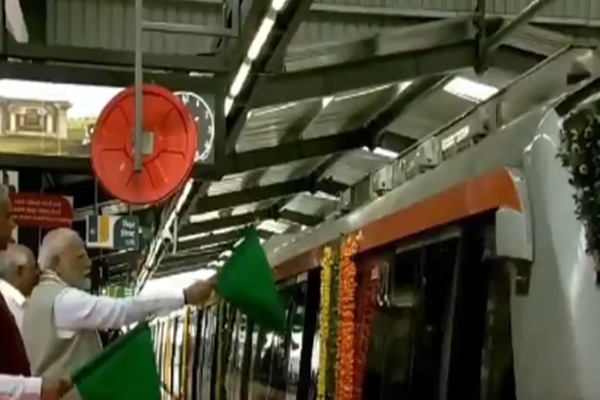
Prime Minister Narendra Modi just flagged off India's first hydrogen-powered train, the 'NaMo Green Rail,' from Jind, Haryana, marking a monumental leap in the nation's journey towards sustainable transportation and energy independence. This indigenous 10-coach train, now the world's longest hydrogen-powered passenger train, positions India among an elite group of countries pioneering green rail technology. The launch on the Jind-Sonipat route is a crucial step for Indian Railways' ambitious plan to achieve net-zero carbon emissions by 2070, reducing reliance on fossil fuels and aligning with the National Green Hydrogen Mission. Developed under the 'Atmanirbhar Bharat' initiative, the project highlights India's self-reliance, with Railway Minister Ashwini Vaishnaw confirming India holds the Intellectual Property rights for this complex hydrogen fuel cell technology, opening doors for future exports. The pilot, costing around $12 million, includes the country's largest railway hydrogen refuelling facility in Jind, showcasing a comprehensive approach to clean mobility. Following this successful debut, Indian Railways plans to deploy 35 hydrogen-powered train under the 'Hydrogen for Heritage' initiative on scenic and non-electrified routes like Kalka-Shimla, aiming for a broader transition from diesel locomotives. This move not only promises environmental benefits but also positions India as a global leader in green hydrogen technology, with expectations for costs to decrease as the technology matures, paving the way for wider adoption and a greener future for Indian rail.